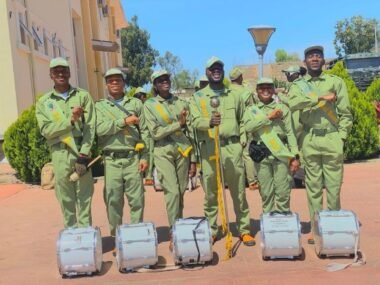

The National Youth Service Corps (NYSC) is a program that every Nigerian graduate eagerly anticipates, and one of the most significant aspects of this scheme is the posting process. Among the different types of NYSC postings, the Working NYSC Posting stands out as one that determines the primary assignment of corps members after camp. Simply put, a working NYSC posting refers to the job or duty assigned to a corps member at their Place of Primary Assignment (PPA). This is where you’ll spend most of your service year, contributing to national development while gaining valuable work experience.
Understanding how working postings are assigned, what options are available, the challenges, and how to make the most of the opportunity is essential for every corps member. This article provides a detailed, 6,000+ word guide on working NYSC postings, offering insights, strategies, and practical advice that will help corps members excel during their service year.
What Is a Working NYSC Posting?
A working NYSC posting is the assignment corps members receive after the three-week orientation camp. It is where you will officially work during the 11 months of your service year. Unlike temporary camp activities, your posting defines how your service experience unfolds.
The working posting is typically based on three main factors:
-
Course of Study – For example, medical graduates are often posted to hospitals, while teachers are sent to schools.
-
National Needs – NYSC prioritizes sectors where manpower is most required, such as education and healthcare.
-
Availability of PPAs – Depending on the state, corps members may be placed in government institutions, NGOs, or private organizations.
Working postings are crucial because they bridge the gap between academic learning and real-world practice. For many, this is their first professional experience, and it can significantly influence future career opportunities.
Types of Working NYSC Postings
NYSC offers different categories of postings depending on the sector. Let’s break them down:
1. Educational Institutions
This is the most common posting. Corps members are assigned to primary schools, secondary schools, and tertiary institutions. Teaching provides an opportunity to impact the younger generation while also building communication and leadership skills.
2. Healthcare Facilities
Graduates in medical fields such as medicine, nursing, pharmacy, and laboratory sciences are typically posted to hospitals, clinics, or health centers. Their role is to provide essential medical services to communities.
3. Government Ministries and Parastatals
Some corps members are posted to ministries, government agencies, or local government offices where they perform administrative and policy-related tasks.
4. Private Companies and NGOs
In some cases, corps members are deployed to private firms, banks, law firms, tech startups, or non-governmental organizations where they can gain professional experience.
5. Special Projects and Assignments
Through the Community Development Service (CDS), corps members may also engage in special community projects like health campaigns, environmental sanitation drives, or empowerment programs.
How NYSC Assigns Working Postings
The NYSC posting system might appear random, but it follows specific guidelines:
-
Course of Study Relevance – Graduates are often placed in jobs related to their fields of study.
-
Demand in Sectors – The Education and health sectors usually get the highest number of corps members.
-
Requests from Employers – Organizations sometimes request corps members with specific skills.
-
NYSC Discretion – In cases where demand is high, NYSC assigns based on available slots rather than preference.
That said, corps members can sometimes influence postings by making requests through letters of acceptance from organizations before deployment.
State-by-State Variations in Working Postings
Not all states offer the same experience.
-
Urban States (Lagos, Abuja, Rivers) – More corporate and private-sector postings.
-
Northern States (Zamfara, Yobe, Borno) – More postings in education and healthcare due to manpower shortages.
-
South-Western States (Oyo, Ogun, Ekiti) – Mix of teaching and administrative postings.
-
Eastern States (Enugu, Imo, Abia) – Teaching remains dominant, but NGOs and government offices also take corps members.
This means your service experience varies greatly depending on the state you are posted to.
Benefits of Working in NYSC Postings
Working postings may seem daunting at first, but they come with many benefits:
-
Practical Work Experience – It prepares you for real-world employment.
-
Skill Development – Teaching, leadership, and teamwork skills are sharpened.
-
Networking Opportunities – You meet professionals who may influence your career path.
-
Contribution to Society – You directly impact communities through your service.
-
Career Direction – Some corps members discover their career passion during their posting year.
Common Challenges with Working NYSC Postings
While rewarding, postings also come with challenges:
-
Mismatch with Qualification – Some corps members are assigned jobs unrelated to their field.
-
Poor Infrastructure – Especially in rural areas with limited resources.
-
Low or No Allowances from PPAs – Some employers fail to provide additional stipends beyond NYSC’s monthly allowance.
-
Cultural and Environmental Differences – Adapting to a new region can be tough.
-
Overwork or Underutilization – Some corps members are overburdened, while others have very little to do.
How to Excel in Your Working NYSC Posting
-
Be Professional – Treat your posting as a real job. Show up early, dress appropriately, and take tasks seriously.
-
Develop New Skills – Use the opportunity to learn workplace communication, project management, and teamwork.
-
Build Relationships – Networking with supervisors and colleagues can open doors for post-NYSC employment.
-
Take Initiative – Don’t wait to be told everything; contribute fresh ideas.
-
Balance CDS with PPA Duties – Ensure you fulfill both obligations effectively.
Corps Members’ Real-Life Experiences
-
Grace, 25 (Abuja): “I was posted to a private school. At first, I was nervous about teaching, but it built my confidence. Today, I’m pursuing a career in education.”
-
Michael, 27 (Kano): “As a pharmacist, I was posted to a government hospital. The experience opened my eyes to rural healthcare needs and shaped my career direction.”
-
Tola, 24 (Lagos): “My posting to a bank gave me the chance to secure a permanent role after service. Networking was key.”
Strategies for Managing Difficult Postings
-
Stay Positive – View challenges as opportunities for growth.
-
Negotiate with Employers – If conditions are tough, politely discuss possible adjustments.
-
Seek Redeployment – If situations are unbearable (e.g., health, security issues).
-
Leverage Free Time – If underutilized, focus on personal development (online courses, skills acquisition).
Frequently Asked Questions (FAQs): Working NYSC Posting
1. Can I reject my PPA posting?
You can apply for redeployment, but outright refusal may affect your service year.
2. Do all PPAs pay extra allowances?
No. Some pay stipends, but it’s not compulsory. NYSC’s monthly allowance is the guaranteed pay.
3. Can I influence my posting?
Yes, by securing an acceptance letter from an organization beforehand.
4. What happens if I don’t like my posting?
You can request redeployment, but you’ll need valid reasons.
5. Are postings permanent?
Yes, unless you are officially redeployed or reassigned.
Conclusion: Working NYSC Posting
The working NYSC posting is more than just an assignment; it is a defining part of every corps member’s journey. It exposes young graduates to the realities of the workplace, builds essential skills, and contributes to community development. While challenges exist, with the right mindset and strategies, corps members can make the most of their postings and even secure career-defining opportunities.
The secret is to embrace your posting with dedication and openness, knowing that every assignment, no matter how small, contributes to your personal growth and national progress.