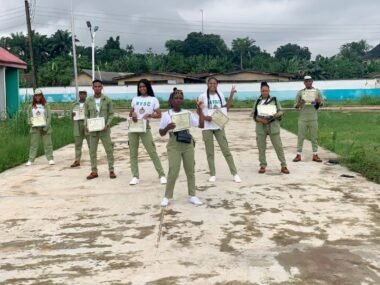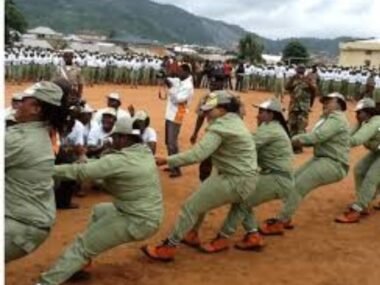

The Working Condition Of NYSC And Interns in Nigeria reflects a mixture of learning opportunities, challenges, and life experiences that help shape their future careers. For NYSC corps members, the scheme is designed as a one-year national service program that places graduates in different organizations, schools, or community development roles across the country. Interns, on the other hand, are students or fresh graduates who undergo short-term work placements to gain practical skills in their chosen fields.
While both groups may share similarities in terms of exposure, adaptation, and limited pay, their working conditions differ slightly in structure, expectations, and outcomes. Understanding how these roles are carried out, what challenges they face, and the benefits they gain gives a clearer picture of how they prepare young people for the Nigerian labor market and beyond.
Historical Background of NYSC and Internships
The National Youth Service Corps (NYSC) was introduced in 1973 with the primary goal of fostering unity among Nigerians after the civil war. It was envisioned as a platform for fresh graduates to serve the nation while acquiring experience that would prepare them for the world of work. Every year, thousands of graduates are mobilized and deployed to various sectors such as education, health, administration, and agriculture.
Internships, on the other hand, predate NYSC in the sense that industries and organizations have long recognized the importance of preparing students for work through practical exposure. For students in professional courses like medicine, engineering, law, or accounting, internships are often mandatory. Even in newer fields like tech, digital media, and design, internships are highly valued as stepping stones into real employment.
Working Condition Of NYSC And Interns
Working Condition Of NYSC And Interns largely depend on the sector and organization to which they are deployed. Many NYSC members are posted to schools, government offices, health facilities, banks, NGOs, or private companies.
-
Infrastructure: In rural communities, corps members often lack access to basic infrastructure, including reliable electricity, internet, and modern teaching tools. In contrast, those in urban postings may enjoy better facilities and more exposure.
-
Workload: Some corps members handle full teaching loads, administrative duties, or technical assignments, while others have minimal work due to organizational constraints.
-
Supervision: The presence of supportive supervisors can make a huge difference, but in some cases, corps members are left to figure things out independently.
-
Remuneration: The federal allowance is fixed, and state or private employers may or may not provide additional stipends, creating disparities in financial conditions.
Overall, the work environment for corps members is often unpredictable but provides opportunities to adapt and develop resilience.
Work Environment for Interns
Interns also face a variety of working conditions depending on their industry and the company they work for.
-
Professional Exposure: Interns are often placed under the direct mentorship of senior staff. This creates opportunities to learn technical and soft skills.
-
Task Allocation: Some interns are given meaningful, hands-on tasks that align with their studies, while others are limited to basic administrative support or repetitive duties.
-
Duration: Internships may last between three months to one year, depending on the program or requirement of the school.
-
Pay Structure: Many internships are unpaid, although top companies offer stipends that can make the experience financially supportive.
-
Learning Curve: Since interns are often still students, the work environment is designed more for training than full productivity.
Similarities in Working Condition Of NYSC And Interns
Despite their structural differences, NYSC members and interns often share similar realities:
-
Limited Financial Rewards: Both rely mostly on allowances or stipends, which are often insufficient compared to the cost of living.
-
Adaptability: They have to adjust to new environments, colleagues, and systems within a short time.
-
Skill Acquisition: Both groups gain practical experience, teamwork skills, and workplace ethics that prepare them for future employment.
-
Temporary Nature: Neither corps members nor interns hold permanent contracts. Their stay is transitional and meant to prepare them for greater opportunities.
Challenges Faced by NYSC Members
-
Irregular Payments: In some states, corps members complain about delayed allowances from state governments or organizations.
-
Accommodation Issues: Not all employers provide housing, leading to high rent expenses in some cities.
-
Security Concerns: Deployments to areas with insecurity can be risky.
-
Underutilization: Some corps members find themselves idle because their employers do not fully integrate them into work schedules.
Challenges Faced by Interns
-
Exploitation: Some organizations use interns for cheap labor without offering meaningful learning experiences.
-
Unpaid Positions: The absence of stipends can discourage many students from applying, particularly those from low-income backgrounds.
-
Short Duration: Limited timeframes may not allow interns to fully grasp the dynamics of the organization.
-
Job Uncertainty: Unlike corps members, who are guaranteed a certificate at the end of their service year, interns may not always get formal recognition for their effort.
Benefits of the Experience
Despite the challenges, the Working Condition Of NYSC And Interns provides immense benefits:
-
Practical Exposure: They learn to apply classroom theories to real-life situations.
-
Networking: Both groups build professional contacts that can lead to future job opportunities.
-
Personal Growth: Adaptability, problem-solving, and leadership are common outcomes.
-
Career Clarity: Many interns and corps members discover their strengths and interests, which guide their career paths.
Comparison Between NYSC Members and Interns
While interns focus more on skill acquisition tied to their studies, NYSC members are thrust into a variety of roles, some of which may not directly connect to their academic background. Interns are usually younger and still in school, while corps members are graduates with broader responsibilities. In terms of recognition, corps members complete their service with a certificate that holds weight for employment in Nigeria, while interns mostly benefit from references and experience.
Recommendations for Improving Working Condition Of NYSC And Interns
-
Better Pay Structures: Both groups should receive adequate stipends to cover basic living expenses.
-
Enhanced Supervision: Structured mentorship programs can improve learning outcomes.
-
Skill Development Programs: Employers should integrate training modules into the placement period.
-
Policy Support: Governments and industries need policies to regulate internships and make NYSC postings more impactful.
Conclusion
The working condition of NYSC members and interns in Nigeria is a reflection of the country’s broader labor and educational landscape. Though often marked by challenges like inadequate pay, irregular support, and infrastructure gaps, these programs are still vital bridges between academic life and full-time professional careers. Both corps members and interns develop resilience, gain valuable skills, and create networks that shape their futures. To truly maximize their potential, there needs to be greater commitment from government, organizations, and society in making their conditions more supportive and rewarding.