If you’ve ever wondered “What work can I do during NYSC?”, the answer is simple: a lot more than you might think. While the National Youth Service Corps (NYSC) program is mainly about national service, it also provides opportunities to gain valuable work experience, develop new skills, and even earn extra income. From your primary assignment to side hustles and community projects, there are productive ways to spend your service year that can shape your career and personal growth long after you pass out.
Top Work to Do During NYSC
1. Excel at Your Place of Primary Assignment (PPA)
Your PPA is the cornerstone of your NYSC experience. Whether you’re assigned to a school, hospital, government ministry, or private company, this is your primary workplace for the year. Treat it as your first professional job, as the skills and reputation you build here can significantly influence your post-NYSC career.
-
Teaching: Many corps members are posted to schools, particularly in underserved areas. As a teacher, you might lead classes in subjects like mathematics, English, or the sciences. This role hones communication, leadership, and time management skills. Go beyond the basics—organise extracurricular activities, mentor students, or introduce innovative teaching methods to stand out. For example, a corps member in Kaduna used her PPA to start a debate club, which led to a teaching fellowship after NYSC.
-
Government Offices: If assigned to a ministry or local government, you might handle administrative tasks, data entry, or project coordination. These roles teach you bureaucratic processes and public sector dynamics, valuable for careers in governance or policy. Take initiative by proposing improvements or volunteering for high-visibility projects.
-
Private Sector: Some corpers land roles in banks, NGOs, or corporations. These placements offer exposure to corporate culture, often with better facilities than public PPAs. Use this time to learn industry-specific skills, like customer service in banking or project management in NGOs.
To excel, be punctual, dress professionally, and seek feedback from supervisors. Document your achievements—whether it’s a successful project or improved student performance—for your CV. Many employers view PPA performance as a proxy for work ethic, so a strong record can lead to job offers or recommendations. For instance, a 2024 survey by Jobberman Nigeria found that 60% of corps members who excelled at their PPAs secured job offers within six months of passing out.
2. Engage Actively in Community Development Service (CDS)
The Community Development Service (CDS) component is a mandatory part of NYSC, requiring corps members to contribute to their host communities. CDS projects range from environmental clean-ups to health awareness campaigns, literacy programs, and infrastructure development. These initiatives are not just about giving back—they’re opportunities to develop soft skills like teamwork, leadership, and problem-solving.
-
Personal CDS Projects: You can propose your own project, such as building a community library, organising skill workshops, or launching a health campaign. For example, a corps member in Ogun State raised funds to install solar-powered boreholes, earning recognition from local leaders and a scholarship for further studies.
-
Group CDS: Most corpers participate in group CDS, such as tree planting or anti-drug campaigns. Take leadership roles, like coordinating logistics or mobilising community support, to enhance your visibility and impact.
CDS projects add weight to your resume, showcasing initiative and social responsibility. They also connect you with local influencers, which can lead to job opportunities or partnerships. To succeed, choose projects aligned with your interests and skills, and collaborate effectively with your CDS group. Document your contributions with photos and reports for future reference.
3. Leverage the SAED Program for Skill Acquisition
The Skill Acquisition and Entrepreneurship Development (SAED) program is one of NYSC’s most valuable offerings, yet many corps members overlook it. SAED provides free or low-cost training in practical skills, designed to foster self-reliance and reduce unemployment post-service. Available courses include:
-
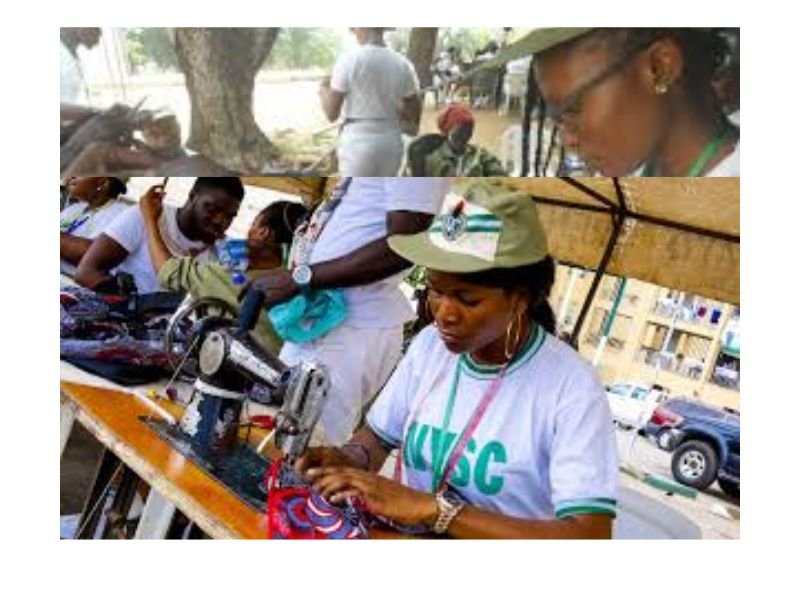
Fashion Design: Learn tailoring, pattern making, and branding to start a clothing line.
-
Information and Communication Technology (ICT): Gain skills in coding, web development, or digital marketing.
-
Catering and Confectionery: Master baking, cooking, and event catering.
-
Photography and Videography: Develop expertise in visual storytelling, a lucrative field in Nigeria’s growing creative industry.
-
Agribusiness: Explore poultry farming, fish farming, or crop production.
SAED classes are held during orientation camp and throughout the service year, often in collaboration with partners like the Bank of Industry or local entrepreneurs. The program also offers access to loans and grants for promising business ideas. For example, a corps member in Enugu used SAED training to start a poultry farm, securing a ₦500,000 grant to scale her business.
To make the most of SAED, choose a skill that aligns with your interests and market demand in your host community. Dedicate time to practice—many skills, like coding or tailoring, require months to master. By the end of your service year, you could have a side business or a portfolio to attract clients or employers.
4. Explore Side Jobs and Freelance Opportunities
If your PPA schedule allows, side jobs or freelance work can supplement your stipend and build your financial independence. NYSC rules prohibit full-time employment outside your PPA, so ensure side gigs are part-time and don’t conflict with official duties. Here are some viable options:
-
Tutoring: Offer private lessons in subjects like mathematics, English, or exam prep (JAMB, WAEC). Charge ₦1,000-₦3,000 per hour, depending on the area. Advertise through schools or community boards.
-
Freelance Services: Platforms like Upwork and Fiverr connect you to global clients for writing, graphic design, or social media management. A corps member in Lagos earned ₦200,000 monthly freelancing as a content writer during her service year.
-
Small-Scale Trading: Buy and sell products like clothing, accessories, or snacks within your community. Start small with your stipend to minimise risk. For instance, selling adire fabric in local markets is popular among corpers in Oyo State.
-
Content Creation: Start a blog, YouTube channel, or TikTok account focusing on your NYSC experience, travel, or skills. Monetise through ads or sponsorships as your audience grows.
To succeed, research local demand, set realistic schedules, and maintain professionalism. Use your stipend to fund initial investments, like a laptop for freelancing or materials for trading. Always prioritise your PPA duties to avoid sanctions.
5. Network and Build Professional Relationships
Networking is a powerful tool during NYSC. Your service year exposes you to a diverse group of people—fellow corps members, PPA colleagues, community leaders, and NYSC officials. These connections can lead to job referrals, business partnerships, or mentorship.
-
NYSC Events: Attend orientation camp activities, CDS meetings, and passing-out ceremonies. Engage actively to meet people from different fields.
-
Professional Groups: Join associations like the Nigerian Institute of Management or industry-specific groups in your PPA’s sector. For example, a corps member in Abuja joined a tech meetup and landed a software developer role post-NYSC.
-
Social Media: Use LinkedIn to connect with professionals in your field. Share updates about your PPA projects or SAED progress to build your online presence.
Be genuine in your interactions, offer help when possible, and follow up with contacts after events. A strong network can make the difference when job hunting after NYSC.
6. Volunteer for NGOs and Community Initiatives
Volunteering with non-governmental organisations (NGOs) or community projects adds depth to your NYSC experience. Many NGOs welcome corps members for initiatives like health outreaches, literacy programs, or environmental campaigns. Benefits include:
-
Skill Development: Learn project management, public speaking, or fundraising.
-
Exposure: Work with professionals who can recommend you for jobs.
-
Impact: Contribute to causes like education or public health, enhancing your sense of purpose.
For example, a corps member in Kano volunteered with an NGO focused on girl-child education, gaining skills that led to a full-time role with the organization. Find opportunities through your CDS group, local newspapers, or platforms like Volunteer Nigeria.
7. Invest in Personal Development
Your NYSC year is an ideal time to work on yourself. Use spare time to:
-
Learn a Language: Study a local language like Yoruba, Hausa, or Igbo to integrate better and boost employability.
-
Take Online Courses: Platforms like Coursera or Udemy offer affordable courses in data analysis, project management, or marketing.
-
Read Widely: Explore books on leadership, entrepreneurship, or your industry to broaden your knowledge.
These efforts enhance your CV and prepare you for competitive job markets. A corps member in Port Harcourt completed a Google Data Analytics certification during NYSC, securing a role with a tech firm shortly after.
8. Start a Small Business
If entrepreneurship is your goal, NYSC is a great time to test ideas. Use your stipend or SAED training to launch a small venture. Popular options include:
-
Food Business: Sell snacks, meals, or drinks to fellow corpers or your community.
-
Fashion and Beauty: Offer makeup services, sell accessories, or start a tailoring business.
-
Tech Services: Provide phone repairs, graphic design, or website development.
A corps member in Anambra started a baking business during NYSC, growing it into a full-time venture with multiple employees post-service. Start small, reinvest profits, and seek SAED grants to scale.
Balancing Work and NYSC Responsibilities
Balancing PPA duties, CDS, side gigs, and personal growth requires discipline. Here’s how to manage:
-
Create a Schedule: Allocate specific hours for PPA work, CDS, and side projects. Use tools like Google Calendar to stay organised.
-
Prioritise PPA: Your primary assignment is non-negotiable. Ensure side hustles don’t interfere with attendance or performance.
-
Set Goals: Define what you want to achieve—e.g., learn a skill, save ₦500,000, or secure a job offer. Break goals into monthly targets.
-
Stay Healthy: Balance work with rest, exercise, and social activities to avoid burnout.
Challenges and How to Overcome Them
-
Low Stipend: The ₦33,000 monthly allowance is modest. Supplement it with side gigs or budget wisely (e.g., cook at home, use public transport).
-
Remote PPAs: Rural postings can feel isolating. Stay connected through social media, visit nearby towns, and engage with your community.
-
Time Constraints: Heavy PPA workloads can limit side projects. Negotiate flexible hours with your employer or focus on low-time-commitment gigs like freelancing.
-
NYSC Rules: Violating regulations, like absenteeism, can lead to sanctions. Always seek approval for side activities and maintain professionalism.
Success Stories
-
Chidinma, Lagos: A corps member posted to a school, Chidinma used SAED to learn photography. She offered photo sessions at NYSC events, earning ₦150,000 monthly. Post-NYSC, she opened a studio.
-
Ahmed, Kano: Assigned to a government office, Ahmed volunteered with an NGO on health campaigns. His leadership impressed the NGO, leading to a program coordinator role after service.
-
Funmi, Enugu: Funmi started a thrift clothing business during NYSC, using her stipend to buy stock. Her Instagram page grew to 5,000 followers, and she now runs a full-time fashion store.
These stories show that with initiative, your NYSC year can be transformative.
Conclusion
Your NYSC year is more than just wearing the khaki uniform and showing up for parades — it’s a chance to work, learn, and grow. From excelling at your primary assignment to developing marketable skills and building a strong network, there are countless productive things you can do. If you make the most of this one year, it can become a powerful springboard for your career, personal growth, and financial independence long after service ends.