
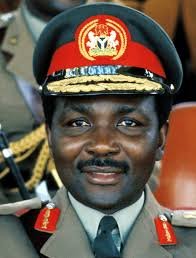
Wondering Whose Administration Started The Nysc Scheme? The National Youth Service Corps (NYSC) scheme in Nigeria was officially introduced during the administration of General Yakubu Gowon in 1973. This program was a response to the challenges that followed the Nigerian Civil War (1967–1970), a period marked by division, distrust, and the urgent need for national unity. Gowon’s government saw NYSC as a vehicle for reconciliation, integration, and the rebuilding of a stronger Nigeria.
Today, the NYSC scheme stands as one of the most enduring legacies of that era. It continues to shape the experiences of graduates and remains a requirement for certain forms of employment and professional recognition within the country.
The State of the Nation (1967–1970)
-
The Nigerian Civil War, also known as the Biafran War, devastated the economy, fractured social ties, and deepened ethnic divisions.
-
Millions of lives were lost, and many communities were left distrustful of one another.
-
Rebuilding required not only economic recovery but also healing the emotional and cultural wounds that threatened national unity.
The Need for a Unifying Policy
Gowon’s administration faced the challenge of creating a system that would bind young Nigerians across ethnic, religious, and regional lines. Education and youth engagement became central tools for this mission.
Who Was Yakubu Gowon?
-
Gowon became Head of State in 1966 after the coup that overthrew Major General Johnson Aguiyi-Ironsi.
-
He led Nigeria through the civil war and spearheaded post-war policies under the slogan “No Victor, No Vanquished.”
-
His leadership emphasized reconciliation, rehabilitation, and reconstruction.
The Birth of the NYSC Scheme
-
In 1973, Gowon’s administration introduced the NYSC through Decree No. 24 (later known as the NYSC Act).
-
It mandated all Nigerian graduates under the age of 30 to serve the nation for one year.
-
The scheme was structured to promote unity, practical training, and community development.
Objectives of the NYSC Scheme
The Gowon administration outlined several clear goals for the program:
-
National Unity – Deploying graduates outside their states of origin encouraged inter-ethnic understanding.
-
Youth Development – Providing graduates with work experience before entering the job market.
-
Nation-Building – Using young manpower to support schools, hospitals, and rural communities.
-
Cultural Exchange – Promoting respect for Nigeria’s diversity.
-
Social Integration – Breaking barriers of ethnicity, religion, and language.
The First Batch (1973)
-
The first corps members were mobilized in 1973, drawn from universities across the country.
-
Deployments took graduates to states far from their origins, some experiencing new cultures for the first time.
Public Reception
-
Initially, there was skepticism, with some parents concerned about sending their children to unfamiliar regions.
-
Over time, however, many Nigerians embraced the scheme as a valuable initiative for national cohesion.
Orientation Camp
Every corps member begins with a three-week orientation, where they are trained in discipline, community service, and cultural exchange.
Primary Assignment
Graduates are posted to organizations such as schools, hospitals, and government agencies.
Community Development Service (CDS)
Corps members engage in projects like literacy campaigns, health outreach, and rural development.
Passing Out Parade (POP)
The service year ends with the official passing out, where members receive their certificates.
Promoting National Integration
-
Many Nigerians formed lifelong friendships and even marriages across ethnic and regional lines.
-
It reduced stereotypes by allowing firsthand cultural interaction.
Filling Workforce Gaps
-
Schools in rural areas benefited from graduate teachers.
-
Health institutions received young professionals who supported patient care.
Youth Empowerment
-
Corps members gained work experience, which boosted their employability.
Security Concerns
Rising insecurity in some regions has made deployment a challenge for corps members.
Funding Issues
Sustaining allowances and logistics for thousands of corps members strains government resources.
Relevance Debate
Critics argue that after five decades, the program may need reforms to align with modern realities.
Expansion of Coverage
From a few universities in 1973, the scheme now mobilizes graduates from universities and polytechnics nationwide.
Skill Acquisition Programs
NYSC introduced Skill Acquisition and Entrepreneurship Development (SAED) to help corps members become self-reliant.
Digital Transformation
Processes such as registration, posting, and verification have been digitized for efficiency.
Legacy of Gowon’s Administration Through NYSC
-
The NYSC remains one of the most enduring post-war policies in Nigeria.
-
It reflects Gowon’s vision of a united and forward-looking Nigeria.
-
While many of his policies were transitional, NYSC has stood the test of time.
Arguments for Retention
-
Continues to promote unity.
-
Provides work experience for graduates.
-
Supports underdeveloped communities.
Arguments for Reform
-
Insecurity poses risks to corps members.
-
Economic realities challenge the sustainability of the scheme.
-
Calls for optional participation are growing.
Balancing Reform and Legacy
Future reforms must honor the original vision of Gowon’s administration while addressing today’s challenges.
Conclusion: Whose Administration Started The Nysc Scheme
The NYSC scheme was started under the administration of General Yakubu Gowon in 1973, as part of his post-civil war strategy to rebuild Nigeria. Through this initiative, the government aimed to foster unity, promote cultural integration, and equip graduates with practical skills for nation-building.
More than fifty years later, the NYSC remains one of Nigeria’s most influential youth programs. Despite challenges and debates about its relevance, it continues to stand as a reminder of Gowon’s enduring legacy and the nation’s ongoing quest for unity.