Launched in 1973, the NYSC was conceived in the aftermath of the Nigerian Civil War, a period marked by deep ethnic divisions and a pressing need for reconciliation.
The visionary behind this initiative was General Yakubu Gowon, the then military ruler of Nigeria, who recognized the potential of youth to foster national integration and contribute positively to society. This article delves into the historical context of the NYSC scheme, its objectives, and the enduring legacy of its introduction, highlighting how it continues to shape the lives of young Nigerians today.
Historical Context
The NYSC scheme was introduced in the aftermath of the Nigerian Civil War, which lasted from 1967 to 1970. The war left deep scars on the nation, creating ethnic divisions and a sense of disunity among its citizens. In an effort to promote national integration and unity, the Nigerian government recognized the need for a program that would engage young graduates in community service while fostering inter-ethnic cooperation and understanding.
The Visionary Behind the NYSC Scheme
The NYSC was officially established by General Yakubu Gowon, who was the military ruler of Nigeria at the time. Gowon’s government was keen on promoting national reconciliation and rebuilding the country after the devastating effects of the civil war. The idea for the NYSC was primarily influenced by Gowon’s vision of a united Nigeria, where the youth could actively participate in nation-building and contribute to societal development.
General Yakubu Gowon
General Yakubu Gowon, born on October 19, 1934, in Pankshin, Nigeria, rose through the ranks of the Nigerian Army to become the country’s Head of State. His leadership during a tumultuous period in Nigeria’s history was characterized by a commitment to peace and unity. Following the civil war, Gowon sought to address the challenges of national integration and development, leading to the establishment of policies and programs aimed at fostering unity among Nigeria’s diverse ethnic groups.
In his address at the launch of the NYSC scheme, Gowon emphasized the importance of youth in nation-building and the need for graduates to serve their country, stating, “The future of our country lies in the hands of our youth.” This sentiment underscored the belief that young people could bridge the gaps created by ethnic divisions and contribute positively to the nation’s development.
Objectives of the NYSC Scheme
The NYSC scheme was designed with several key objectives in mind:
- Promote National Unity: One of the primary goals was to foster a sense of belonging among Nigeria’s diverse ethnic groups. By deploying graduates to different parts of the country, the scheme aimed to encourage interaction and understanding among different cultures.
- Encourage Community Development: The NYSC encourages corps members to engage in community service projects that address local needs. This involvement helps improve infrastructure, education, and healthcare in host communities.
- Enhance Personal Development: The scheme provides graduates with the opportunity to acquire new skills, gain work experience, and develop leadership abilities. This personal growth is crucial for their future careers.
- Instill Civic Responsibility: The NYSC instills a sense of civic responsibility in young Nigerians, encouraging them to contribute to their communities and the nation as a whole.
Implementation of the NYSC Scheme
The implementation of the NYSC scheme began in May 1973, and the first set of corps members was mobilized shortly thereafter. The structure of the program involved sending graduates to states other than their own for a one-year mandatory service. This deployment system was designed to promote interaction among youths from different backgrounds.
Orientation Camps
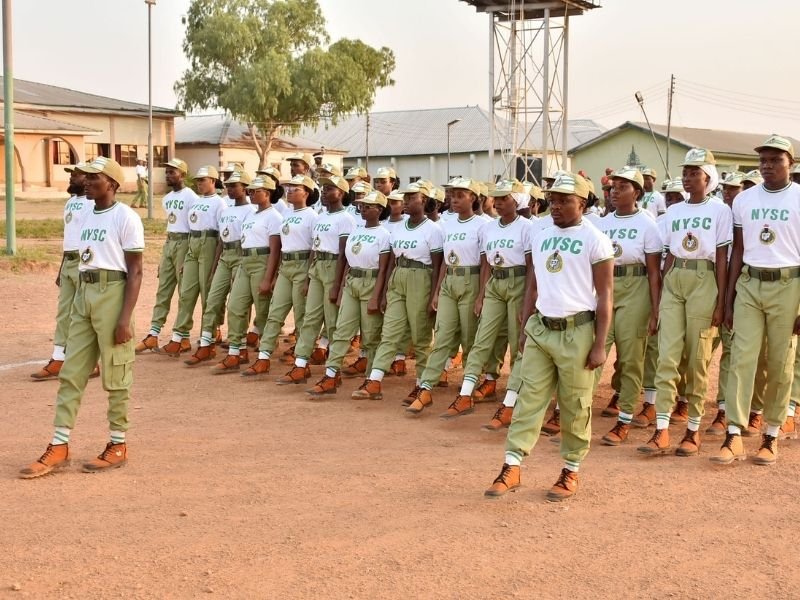
Upon arrival in their assigned states, corps members undergo a three-week orientation program at designated camps. This period is crucial for fostering camaraderie among corps members, equipping them with essential skills, and introducing them to the culture of their host communities. Activities during the orientation include military drills, lectures, and community service projects.
Community Development Service (CDS)
After the orientation, corps members are expected to engage in various community development projects tailored to the needs of their host communities. These projects often focus on areas such as education, health, and infrastructure, allowing corps members to make a meaningful impact during their service year.
Challenges Faced by the NYSC Scheme
Despite its noble objectives, the NYSC scheme has faced several challenges over the years:
- Security Concerns: The safety of corps members has been a significant issue, particularly in regions affected by violence or insurgency. There have been instances of attacks on corps members, leading to heightened security measures and concerns about their safety.
- Political Interference: The NYSC scheme has sometimes been affected by political considerations, with deployments influenced by political affiliations or decisions rather than purely developmental needs.
- Funding Issues: Adequate funding for the NYSC scheme has been a persistent challenge, impacting the quality of orientation programs, community projects, and support services for corps members.
- Public Perception: Over the years, the NYSC has faced criticism regarding its effectiveness and relevance in modern Nigeria. Some argue that the scheme needs reform to address evolving societal needs and challenges.
The Impact of the NYSC Scheme
Despite these challenges, the NYSC scheme has had a profound impact on Nigerian society. It has successfully created a platform for youth engagement and development, contributing to various sectors, including education, healthcare, and infrastructure. Many former corps members have gone on to become influential leaders, entrepreneurs, and change-makers in their communities.
Fostering Unity and Understanding
One of the most significant contributions of the NYSC scheme is its role in fostering unity among Nigeria’s diverse ethnic groups. By placing graduates in different regions, the scheme encourages cultural exchange and understanding, helping to break down barriers and promote national cohesion.
Community Development Projects
The NYSC scheme has led to numerous community development projects across the country, addressing critical needs in education, health, and infrastructure. Corps members have been instrumental in implementing programs that improve the quality of life in their host communities.
Personal and Professional Development
For many graduates, the NYSC experience serves as a launching pad for their careers. The skills and experiences gained during the service year often enhance employability and provide valuable networking opportunities.
Conclusion: Who Introduced NYSC Scheme
The NYSC scheme, introduced by General Yakubu Gowon in 1973, has played a crucial role in shaping Nigeria’s post-war landscape. Its objectives of promoting national unity, community development, and personal growth remain relevant today. Despite facing challenges, the scheme continues to provide a platform for youth engagement and societal contribution.
As Nigeria navigates the complexities of its diverse society, the NYSC scheme stands as a testament to the power of youth in nation-building. By fostering unity and encouraging civic responsibility, the NYSC remains an essential part of Nigeria’s journey toward a more cohesive and developed nation. Understanding its origins and impact helps us appreciate the ongoing contributions of corps members to the fabric of Nigerian society.