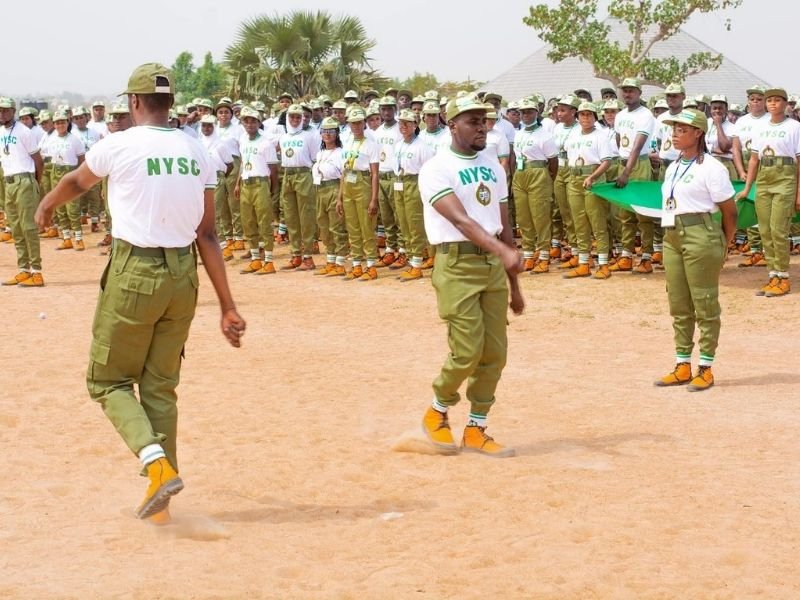
Who Introduced NYSC In Nigeria And In Which Year? Established in 1973 by General Yakubu Gowon, who was the military Head of State at the time, the NYSC emerged from the pressing need for reconciliation and integration following the Nigerian Civil War. Recognizing that the youth are crucial to the nation’s development and cohesion, the program aims to bridge the ethnic divides that have historically fragmented the country. Through a structured one-year service initiative, the NYSC encourages graduates to contribute to their host communities, gain practical experience, and develop a sense of civic responsibility.
This article delves into the origins, objectives, and impact of the NYSC, exploring its role in shaping a more unified and progressive Nigeria. The National Youth Service Corps (NYSC) is a significant program in Nigeria that has shaped the lives of countless graduates since its inception. Established in 1973, the NYSC was introduced by General Yakubu Gowon, who was the military Head of State at that time. This article explores the origins, objectives, and impact of the NYSC, highlighting its role in promoting national unity and development in Nigeria.
Historical Context
The NYSC was born out of the necessity to foster national integration following the Nigerian Civil War, also known as the Biafran War, which lasted from 1967 to 1970. The war resulted in significant loss of life, and deep-seated ethnic tensions emerged among the various groups in Nigeria. Upon the war’s conclusion, there was a pressing need for reconciliation and the rebuilding of trust among Nigeria’s diverse ethnic communities.
General Yakubu Gowon, who led the country during this tumultuous period, recognized that the youth were pivotal in fostering national unity and promoting peace. He believed that engaging young graduates in national service could help bridge the gaps between different ethnic groups and encourage a sense of shared purpose and identity.
Objectives of the NYSC
The primary objectives of the NYSC are multifaceted, focusing on various aspects of national development:
- Promoting National Unity: One of the core missions of the NYSC is to foster a sense of belonging and unity among the diverse ethnic groups in Nigeria. Through the program, graduates are deployed to different states, often far from their homes, allowing them to interact with people from various backgrounds.
- Encouraging Community Development: The NYSC encourages corps members to contribute actively to their host communities. Through various projects and programs, corps members engage in activities that address local needs, such as education, healthcare, and infrastructure development.
- Enhancing Skills and Experience: The program provides graduates with the opportunity to gain practical experience in their fields of study. This exposure equips them with valuable skills that enhance their employability in the competitive job market.
- Fostering Civic Responsibility and Leadership: The NYSC instills a sense of civic duty among young Nigerians. Corps members are encouraged to take on leadership roles within their communities, promoting civic engagement and responsibility.
Structure of the NYSC Program
The NYSC program is structured to last for one year, divided into four main phases:
- Pre-Mobilization: This phase includes the registration of graduates and the preparation for deployment. Prospective corps members must register online and provide necessary documentation.
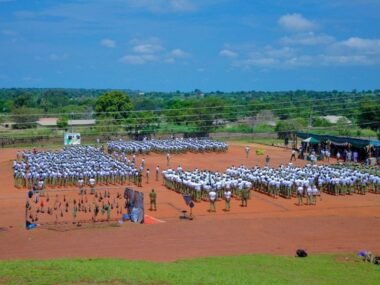
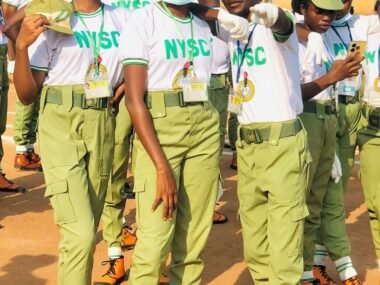
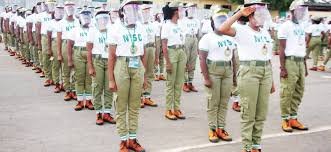
- Orientation Course: Upon selection, corps members undergo a three-week orientation course at designated camps across the country. This phase includes military training, workshops, and seminars aimed at preparing them for their service year.
- Primary Assignment: After the orientation, corps members are assigned to various organizations, schools, and government agencies. Their assignments are intended to align with their educational backgrounds and skills.
- Community Development Service (CDS): In addition to their primary assignments, corps members are required to engage in community development projects. These projects address specific needs in their host communities and may include initiatives in health, education, and infrastructure.
Impact of the NYSC
Since its establishment, the NYSC has had a profound impact on Nigerian society:
- Cultural Exchange: Corps members are exposed to different cultures, languages, and traditions, fostering mutual understanding and respect. This cultural exchange helps reduce ethnic tensions and promotes social harmony.
- Community Development: The contributions of corps members to their host communities have led to significant improvements in various sectors. Many communities have benefited from educational programs, health initiatives, and infrastructural projects initiated by corps members.
- National Integration: The NYSC has played a crucial role in promoting national integration by encouraging young Nigerians to see beyond their ethnic backgrounds. The friendships and networks formed during service often transcend regional and ethnic lines.
- Youth Empowerment: The program empowers young Nigerians by equipping them with skills and experiences that enhance their employability. Many corps members have gone on to establish successful careers or become entrepreneurs after their service.
- Promotion of Volunteerism: The NYSC has instilled a culture of volunteerism among Nigerian youths. Many corps members continue to engage in community service long after their service year, contributing to social development in various ways.
Challenges Faced by the NYSC
Despite its successes, the NYSC has faced several challenges over the years:
- Security Concerns: The deployment of corps members to different regions has raised security concerns, especially in areas affected by violence or conflict. Reports of attacks on corps members have prompted calls for improved security measures.
- Infrastructural Limitations: Many host communities lack the necessary infrastructure to support the initiatives undertaken by corps members. This limitation can hinder the effectiveness of community development projects.
- Funding Issues: The NYSC is often faced with budget constraints, which can affect the quality of training, orientation, and support provided to corps members.
- Public Perception: There have been mixed feelings among Nigerians regarding the NYSC. While many recognize its importance, others question its effectiveness and relevance in today’s society.
The Future of NYSC
As Nigeria continues to evolve, the NYSC must adapt to meet the changing needs of society. There are several areas for potential improvement:
- Enhanced Security Measures: Ensuring the safety of corps members should be a priority. This may involve collaborating with security agencies to provide adequate protection and support.
- Strengthening Partnerships: Collaborating with private organizations, non-governmental organizations (NGOs), and community leaders can enhance the impact of NYSC projects and initiatives.
- Incorporating Technology: Embracing technology can improve the efficiency of the NYSC program, from registration to data management and project implementation. Digital platforms can facilitate better communication and coordination among corps members and officials.
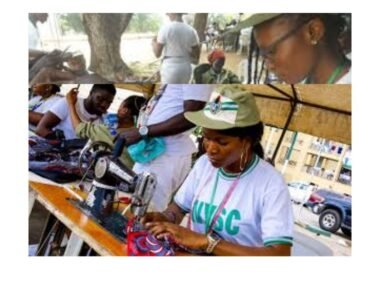
- Expanding Opportunities: Providing more diverse opportunities for corps members to engage in skill acquisition and entrepreneurship can further empower them and enhance their contributions to society.
Conclusion
The National Youth Service Corps (NYSC) has played a pivotal role in shaping Nigeria’s post-war landscape. Introduced by General Yakubu Gowon in 1973, the program has fostered national unity, community development, and youth empowerment for decades. Despite facing challenges, the NYSC remains a vital institution for promoting civic responsibility and social cohesion among Nigeria’s diverse youth.
As the country continues to navigate its complexities, the NYSC’s mission to forge a united and progressive Nigeria remains more relevant than ever. Through dedication and commitment, the program can continue to make a significant impact on the lives of young Nigerians and the nation as a whole.