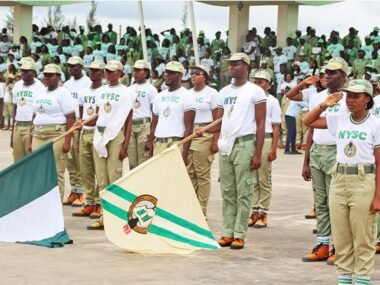
The National Youth Service Corps (NYSC) is a pivotal program in Nigeria, designed to foster national unity and provide graduates with hands-on experience in various sectors. One key aspect that often raises questions among prospective corps members is the requirement for a professional license. This is particularly relevant for graduates in regulated fields like medicine, nursing, pharmacy, teaching, and laboratory technology.
While the requirement is national, enforcement can vary by state, with some states being notably stricter in verifying and demanding these licenses for postings to Places of Primary Assignment (PPA). States like Lagos, Rivers, Abuja (FCT), Ogun, and Enugu are known for their rigorous checks, ensuring that only licensed professionals are deployed to sensitive roles such as hospitals or schools.
In this comprehensive guide, we’ll explore which states enforce these rules most stringently, why it matters, and how you can prepare for a smooth NYSC experience. If you’re a graduate in a professional field wondering about the implications of not having your license, rest assured—this article answers your questions right from the start. Professional licenses are mandatory for certain disciplines during NYSC registration and posting, and failing to have one can limit your PPA options or even delay your service.
For instance, medical doctors must present their Medical and Dental Council of Nigeria (MDCN) license, while teachers may need the Teachers Registration Council of Nigeria (TRCN) certification in strict states. Let’s dive deeper into the details to help you navigate this aspect of your service year.
Understanding the NYSC Program and Its Core Objectives
Before delving into the specifics of professional licenses, it’s essential to grasp the foundation of the NYSC. Established in 1973 by Decree No. 24 under General Yakubu Gowon’s administration, the NYSC aims to involve Nigerian graduates in nation-building and development. The program mandates a one-year service for all Nigerians who have completed tertiary education before the age of 30, with exemptions for those over 30, part-time students, or individuals with certain disabilities.
The scheme promotes cultural exchange by posting corps members to states other than their own, encouraging unity and reducing ethnic biases. During this year, corps members engage in orientation camps, community development services (CDS), and primary assignments at PPAs, which could be in education, healthcare, agriculture, or private sectors. The Skill Acquisition and Entrepreneurship Development (SAED) program is also integrated to equip participants with vocational skills for post-service life.
Participation is compulsory, and completion earns a certificate that’s often required for employment in Nigeria. Without it, opportunities in government jobs or many private firms can be limited. As of 2025, with ongoing reforms, the NYSC continues to adapt, but core requirements like professional licenses remain non-negotiable for relevant fields.
What Is a Professional License in the Context of NYSC?
A professional license is an official certification from a regulatory body that affirms a graduate’s competence to practice in their field. In NYSC, this isn’t just a formality—it’s a prerequisite for registration and deployment in regulated professions. According to the NYSC official guidelines, prospective corps members in medical and allied professions must upload their certificates of registration with Nigerian regulatory bodies during online registration.
For example:
-
Medical Doctors: Require full registration with the Medical and Dental Council of Nigeria (MDCN).
-
Nurses and Midwives: Need licenses from the Nursing and Midwifery Council of Nigeria (NMCN).
-
Pharmacists: Must have certification from the Pharmacists Council of Nigeria (PCN).
-
Teachers: Increasingly, the Teachers Registration Council of Nigeria (TRCN) license is demanded, especially following TRCN’s 2019 directive to NYSC to stop posting non-education graduates to schools.
-
Science Laboratory Technologists (SLT): As per recent updates in 2024, NYSC mandates the Nigerian Institute of Science Laboratory Technology (NISLT) license for mobilization.
These licenses ensure that corps members can legally and safely contribute to their PPAs without risking public health or education quality. Without them, you might be redeployed to non-professional roles, such as administrative positions, which could derail career plans.
The requirement stems from national laws regulating these professions. For instance, the MDCN Act mandates licensing for medical practice, and similar laws apply to others. During NYSC orientation, these documents are verified, and discrepancies can lead to exclusion or penalties.
Why Are Professional Licenses Required During NYSC?
The insistence on professional licenses serves multiple purposes. Primarily, it protects the public by ensuring that only qualified individuals handle critical services. Imagine a unlicensed doctor treating patients in a rural clinic—it could lead to malpractice and legal issues for both the corps member and the NYSC.
Secondly, it aligns with the NYSC’s goal of skill deployment. The program aims to place graduates where their expertise is needed, but this only works if they’re licensed to practice. In healthcare-shortage areas, licensed corps members fill gaps effectively.
Thirdly, it complies with professional body directives. Organizations like TRCN have criticized the posting of unqualified teachers, linking it to poor student performance. In 2019, TRCN Registrar Prof. Josiah Ajiboye urged NYSC to prioritize education graduates, emphasizing licenses as proof of competence.
Finally, licenses facilitate post-NYSC career transitions. Having served in a licensed capacity adds credibility to your resume, making it easier to secure jobs or further certifications.
Failure to comply can result in rejection at camp, redeployment, or even legal repercussions if you practice without a license. As per NYSC FAQ, medical professionals must bring their practice licenses to camp, and this is strictly enforced.
Professions That Mandate Professional Licenses for NYSC Posting
Not all corps members need professional licenses—only those in regulated fields. Here’s a breakdown:
-
Healthcare Professions:
-
Doctors, dentists, and optometrists (MDCN license).
-
Nurses and midwives (NMCN).
-
Pharmacists (PCN).
-
Physiotherapists and other allied health (respective councils).
-
-
Education:
-
Teachers (TRCN license, especially for primary and secondary schools).
-
-
Laboratory and Technical Fields:
-
SLT graduates (NISLT license, mandatory as of 2024).
-
Radiographers (Radiographers Registration Board of Nigeria).
-
-
Other Regulated Areas:
-
Engineers (Council for the Regulation of Engineering in Nigeria – COREN, though less strictly enforced in NYSC).
-
Accountants (ICAN or ANAN, for finance postings).
-
For foreign-trained graduates, additional verification is required, including evaluation of credentials. The NYSC portal explicitly states that medical professionals must upload practicing licenses.
If your field isn’t listed, you might not need one, but it’s wise to check with your professional body.
Which States Are Strict about Professional License during NYSC?
While the license requirement is national, state-level enforcement varies based on local needs, resources, and regulatory zeal. Urban and economically vibrant states tend to be stricter due to higher scrutiny from professional bodies and PPAs. Based on reports from past corps members, NYSC forums, and official directives, here are the states known for stringent checks:
-
Lagos State:
-
Lagos is notoriously strict. With numerous hospitals and schools, PPAs like Lagos University Teaching Hospital (LUTH) demand full MDCN or TRCN licenses. Non-compliance often leads to rejection and redeployment. In 2024, several medical corps members reported being turned away from health postings without licenses.
-
-
Federal Capital Territory (FCT – Abuja):
-
As the capital, FCT has high standards. National Hospital Abuja and private clinics enforce licenses rigorously. TRCN is particularly active here, pushing for licensed teachers in federal schools. Corps members without licenses are frequently reassigned to administrative roles.
-
-
Rivers State:
-
Port Harcourt’s oil-rich economy means competitive PPAs. States like Rivers require NISLT for lab roles and MDCN for healthcare. Reports from Nairaland and Facebook groups highlight strict verification at orientation camps.
-
-
Ogun State:
-
Proximity to Lagos makes Ogun strict, especially for teaching postings. TRCN has collaborated with state education boards to ensure only licensed educators are deployed. Industrial areas demand technical licenses for factory PPAs.
-
-
Enugu State:
-
In the southeast, Enugu is known for thorough checks in healthcare. University of Nigeria Teaching Hospital requires full licenses, and non-education graduates are rarely posted to schools following TRCN guidelines.
-
-
Kano State:
-
Northern states like Kano are increasingly strict, particularly for medical postings amid health challenges. Licenses are verified at camp, and unlicensed corps members may be sent to CDS-focused roles.
-
-
Akwa Ibom State:
-
With growing infrastructure, Akwa Ibom enforces licenses for professional PPAs. Teachers without TRCN often face rejection from state schools.
-
Other states like Delta, Edo, and Kaduna also show varying degrees of strictness, but the above are frequently cited in online discussions. Rural states like Taraba or Yobe may be more lenient due to shortages, but national rules still apply.
To confirm, always check the NYSC portal or state secretariats. Enforcement can change with new directives, as seen with NISLT’s 2024 mandate.
|
State |
Strictness Level |
Key Professions Affected |
Common Issues |
|---|---|---|---|
|
Lagos |
High |
Medicine, Teaching, Pharmacy |
PPA rejection without license |
|
FCT (Abuja) |
High |
All health, Education |
Rigorous camp verification |
|
Rivers |
Medium-High |
Lab Tech, Nursing |
Industrial PPA demands |
|
Ogun |
Medium-High |
Teaching, Engineering |
Collaboration with TRCN |
|
Enugu |
Medium |
Medicine, Radiography |
Hospital postings strict |
|
Kano |
Medium |
Healthcare |
Northern health priorities |
|
Akwa Ibom |
Medium |
Education, Pharmacy |
State school policies |
This table summarizes based on corps member experiences and professional body reports.
How Strict Enforcement Impacts Corps Members
Strict states can pose challenges but also opportunities. On the downside, without a license, you might end up in a mismatched PPA, like a doctor in an office job, wasting skills. Redeployment applications can be stressful, requiring evidence like news reports for security or health grounds.
On the positive side, strict enforcement ensures fair postings and professional growth. Licensed corps members in states like Lagos often get better allowances (up to ₦50,000 extra from PPAs) and networking opportunities.
Case studies from past batches show that unlicensed teachers in Ogun were redeployed, while licensed ones thrived in schools. Similarly, in Rivers, SLT graduates without NISLT faced delays.
Steps to Obtain Your Professional License Before NYSC
Don’t wait until mobilization—start early. Here’s a step-by-step guide:
-
Identify Your Regulatory Body: For medicine, it’s MDCN; teaching, TRCN, etc.
-
Gather Documents: Degree certificate, transcripts, ID, and fees (TRCN registration is around ₦5,000-₦10,000).
-
Apply Online/Offline: Most bodies have portals. For TRCN, pass the Professional Qualifying Exam (PQE).
-
Pay and Verify: Submit payments and attend any exams or interviews.
-
Receive License: It can take 1-3 months, so apply post-graduation.
For foreign graduates, evaluate credentials via the NYSC portal first.
Tips: Join professional associations for guidance, and budget for costs (MDCN provisional license is about ₦10,000).
Challenges and Solutions for Corps Members in Strict States
Common challenges include delays in license issuance, high costs, and PPA rejections. Solutions:
-
Budget Wisely: Allocate ₦20,000-₦50,000 for licensing.
-
Seek Redeployment: If unlicensed, apply after three months citing skill mismatch.
-
Upskill via SAED: If teaching without TRCN, enroll in SAED education programs.
-
Network: Join NYSC Facebook groups for state-specific advice.
In strict states, PPAs may provide support, like sponsoring TRCN exams.
Tips for a Successful NYSC in Strict States
-
Verify senate list early on the NYSC portal.
-
Upload all documents during registration.
-
Prepare for camp with originals.
-
Choose states wisely during registration (you select four, but posting is algorithmic).
-
Engage in CDS to build experience.
Frequently Asked Questions (FAQs): Which States Are Strict About Permanent License During NYSC
1. Is professional license mandatory for all NYSC corps members?
No, only for regulated professions like medicine and teaching.
2. What happens if I don’t have my license in a strict state?
You may be redeployed or assigned non-professional roles.
3. Can I obtain a license during NYSC?
Yes, but it’s better before. Some PPAs assist.
4. Are there states with no license requirements?
All follow national rules, but enforcement varies.
5. How do I check state-specific rules?
Visit NYSC state secretariats or official portal.
Conclusion: Which States Are Strict About Permanent License During NYSC
Navigating professional license requirements during NYSC doesn’t have to be daunting. States like Lagos, FCT, and Rivers lead in strict enforcement, ensuring quality service delivery. By understanding the rules, obtaining your license early, and preparing diligently, you can turn your service year into a rewarding experience.
Stay updated via the NYSC portal, and remember—compliance opens doors to better opportunities. Whether you’re a doctor heading to Enugu or a teacher in Ogun, being licensed positions you for success in Nigeria’s dynamic landscape.