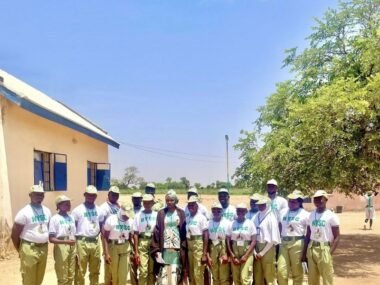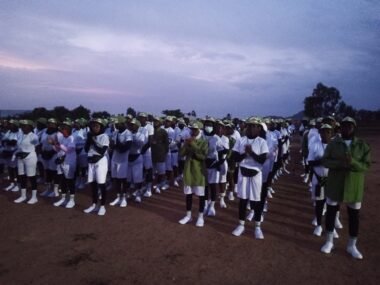
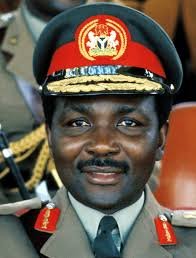
Which President Of Nigeria Instituted NYSC? It was instituted in 1973 by General Yakubu Gowon, the then Head of State of Nigeria. Gowon introduced the scheme after the Nigerian Civil War (1967–1970), to rebuild trust among diverse ethnic groups, foster peace, and encourage national cohesion.
By design, the scheme sends graduates from universities and polytechnics across Nigeria to serve in states other than their own, compelling young people to work, live, and interact with cultures different from theirs. This vision was a deliberate step to heal the scars of war and promote the idea of “One Nigeria.”
This article will give a deep dive into the history of NYSC, its connection to General Yakubu Gowon’s administration, the reasons behind its establishment, its evolution over the decades, the opportunities it provides, and the challenges it faces today.
Nigeria Before Independence
Before 1960, Nigeria was under British colonial rule, divided into regions with strong ethnic identities—the Northern, Eastern, and Western regions being the most pronounced. Each region developed independently, fostering economic, cultural, and political differences.
Post-Independence Tensions
After independence in 1960, Nigeria faced political instability fueled by ethnic rivalries. Political alliances were often based on ethnic lines, deepening distrust among groups.
The Nigerian Civil War
The civil war (1967–1970) was one of the darkest moments in Nigerian history. It arose after the Eastern Region attempted to secede as the Republic of Biafra. The war left millions dead, displaced families, destroyed infrastructure, and worsened ethnic distrust.
It was against this background that General Yakubu Gowon introduced the NYSC in 1973 as part of his administration’s Reconciliation, Rehabilitation, and Reconstruction (3Rs) policy.
General Yakubu Gowon: The Architect
General Yakubu Gowon, Nigeria’s youngest Head of State at the time, instituted the NYSC in May 1973. His administration recognized that the survival of Nigeria as a united country depended on addressing ethnic suspicion and fostering integration among young people.
The NYSC Decree No. 24 of 1973
The scheme was formally established by Decree No. 24 of May 22, 1973. The decree outlined the objectives, structure, and implementation of the program. Importantly, it mandated one year of national service for graduates of Nigerian universities and later polytechnics.
Objectives of NYSC Under Gowon
- National Unity: To promote unity by ensuring young graduates serve outside their regions of origin.
- Cultural Exchange: To encourage corps members to learn new languages, traditions, and lifestyles.
- Workforce Development: To supply manpower to sectors in need of skilled graduates.
- Patriotism: To instill a sense of loyalty, discipline, and service to the nation.
- Social Cohesion: To reduce ethnic prejudice by building friendships across regional divides.
Orientation Camp
Every corps member begins service with a three-week orientation camp involving drills, skills acquisition, lectures, and cultural exchange.
Primary Assignment
After camp, corps members are posted to organizations such as schools, hospitals, government agencies, and private firms where they work for 11 months.
Community Development Service (CDS)
Corpers engage in projects to impact their host communities—like building classrooms, health campaigns, or ICT training.
Passing Out Parade (POP)
The scheme ends with a formal ceremony marking the completion of service.
Expanding to Polytechnics
Initially, it was only for university graduates. Later, graduates of polytechnics and colleges of education were included.
Skill Acquisition and Entrepreneurship
NYSC now integrates skill development programs to tackle unemployment.
Involvement in Elections
The Independent National Electoral Commission (INEC) often deploys corps members as ad-hoc staff, emphasizing their importance in governance.
Digital Transformation
NYSC registration and deployment have become computerized, improving efficiency.
The Significance of Gowon’s Vision
- Healing Wounds of War: By mixing graduates across states, NYSC reduced post-war hostilities.
- Manpower Support: It bridged staffing gaps in rural schools and hospitals.
- Cultural Awareness: Many corpers learn new languages and traditions, increasing tolerance.
- Networking: Corps service builds lifelong friendships and professional networks.
Challenges of the NYSC Scheme
- Insecurity: Corps members in certain regions face risks such as kidnapping, banditry, and terrorism.
- Accommodation and Welfare: Many corpers face poor housing and unpaid allowances.
- Job Placement Issues: Some complain about being posted to irrelevant roles.
- Overpopulation: The rising number of graduates has overstretched the scheme.
Arguments for Continuation
- It remains a symbol of national unity.
- It exposes youths to rural development needs.
- It provides temporary employment and stipends for graduates.
Arguments Against Continuation
- Rising insecurity threatens corps members.
- Many graduates prefer direct employment to a one-year service commitment.
- The cost of sustaining the scheme is high.
Lessons from Other Countries
Many countries run similar youth or national service programs:
- Ghana: National Service Scheme (NSS).
- South Korea: Mandatory military service.
- Israel: National service and the army conscription.
Nigeria’s NYSC is unique because it focuses on cultural integration and not just defense.
General Yakubu Gowon’s Legacy Through NYSC
Even decades after leaving office, Gowon is still remembered for instituting the NYSC. While his administration faced criticisms in other areas, the NYSC stands out as one of his greatest contributions to Nigeria’s development.
Conclusion: Which President Of Nigeria Instituted NYSC
The National Youth Service Corps (NYSC) was instituted in 1973 by General Yakubu Gowon, Nigeria’s Head of State at the time. Born out of the need for national unity after the civil war, it has since become a cornerstone of Nigerian youth development.
Though challenges exist, NYSC continues to play an important role in shaping graduates, fostering peace, and strengthening Nigeria’s sense of nationhood. Gowon’s vision was not only timely but also enduring, as the scheme still serves as a bridge between cultures, regions, and generations.