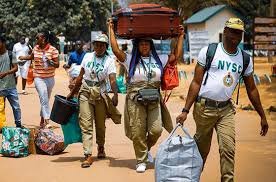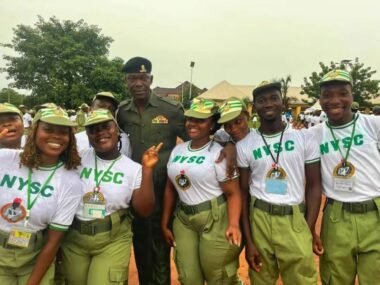

If you’re an international student looking to register for the National Youth Service Corps (NYSC) in Nigeria—particularly if you’re a Nigerian who studied abroad wondering ‘Where Do I Register For Nysc As An International Student’—you’ll start the process online through the official NYSC portal at https://portal.nysc.org.ng. This is the central hub where all prospective corps members, including foreign-trained graduates, create accounts, upload documents, and complete their registration.
The NYSC is a mandatory one-year program for eligible Nigerians under 30, designed to foster national unity and development. For those who’ve earned their degrees overseas, the registration involves extra steps like document verification to ensure everything aligns with Nigerian standards. In this guide, we’ll walk you through the entire process, from eligibility checks to camp orientation, so you can navigate it smoothly without unnecessary stress.
Understanding NYSC: A Quick Overview for International Students
Before diving into the registration details, it’s worth getting a handle on what NYSC actually entails, especially if you’re coming from an international background. Established in 1973 by the Nigerian government, the NYSC aims to involve young graduates in nation-building efforts. It’s not just about service; it’s a rite of passage that promotes cultural exchange, skill development, and community impact. For Nigerians who studied abroad—often referred to as “foreign-trained graduates”—participating in NYSC is a way to reconnect with your roots while contributing to Nigeria’s growth.
The program lasts 12 months and includes three main phases: orientation camp (about three weeks of training and bonding), primary assignment (where you’re posted to a workplace like a school, hospital, or company), and community development service (personal projects to benefit local areas). As an international student, you might wonder if this applies to you. The short answer is yes, if you’re a Nigerian citizen who graduated from a foreign institution and meets the age and qualification criteria. Non-Nigerians aren’t eligible, but dual citizens can participate if they hold a Nigerian passport.
Why bother with NYSC? Beyond the legal requirement (you need the certificate for many jobs in Nigeria), it’s a chance to build networks, gain practical experience, and even explore entrepreneurship. Many foreign-trained graduates find it eye-opening, blending their global perspectives with local realities. Plus, it’s a great resume booster—employers value the discipline and adaptability it instills.
Am I Eligible for NYSC as a Foreign-Trained Graduate?
Eligibility is the first hurdle, and for international students, it’s a bit more nuanced than for home-trained folks. To qualify, you must be a Nigerian citizen (by birth or naturalization) and have completed a full-time degree or Higher National Diploma (HND) from an accredited foreign university or polytechnic. Part-time, correspondence, or online courses typically don’t count—those often lead to exclusion letters instead of full participation.
Age is key: You need to have graduated before turning 30. If you’re over 30 at graduation, you’re exempted, but you’ll still need to register to get an exemption certificate. For foreign-trained graduates, your institution must be recognized by Nigeria’s Federal Ministry of Education. If it’s not listed on the NYSC portal, you’ll have to get an evaluation letter from the ministry in Abuja. This involves submitting your credentials and paying a small fee (around ₦500), and it can take a few days to process.
Other eligibility notes: If you’re in the medical field (like doctors, nurses, or pharmacists), you must have completed internships and hold valid licenses from Nigerian regulatory bodies. Dual nationals should prepare both passports for verification. And if you’re married, especially as a woman, you can request deployment to your spouse’s state of residence—more on that later.
If you’re unsure about your eligibility, head to the NYSC portal and check the “Foreign PCM Requirements” section. It’s straightforward and lists everything clearly. Remember, faking documents is a big no-no; it can lead to legal trouble and disqualification.
Step-by-Step Guide to Registering for NYSC Online
Now, let’s get to the heart of it: how to register. The process is mostly digital, but it requires attention to detail, especially for foreign-trained graduates who have additional verification steps.
- Prepare Your Documents Early: Before anything else, gather all required papers. We’ll cover these in the next section, but start with your international passport, degree certificate, transcripts, and O-level results. Scan them in high quality—NYSC doesn’t accept blurry or edited uploads.
- Visit the Official NYSC Portal: Go to https://portal.nysc.org.ng. This is where everything happens. Click on “Fresh Registration” if you’re new. You’ll need a valid email address and a Nigerian phone number for verification codes. Pro tip: Use an email you check regularly, as NYSC sends important updates there.
- Create an Account: Fill in your basic info like name, date of birth, and contact details. For foreign-trained graduates, select the “Foreign Trained” option. You’ll be prompted to enter details about your overseas education, including the country, institution, and graduation date.
- Upload Documents: This is crucial. Upload scans of your academic credentials, travel documents, and any professional licenses. The portal has specific slots for each—don’t mix them up. If your documents are in a foreign language, get them translated by an accredited body like your embassy or a Nigerian university.
- Pay the Registration Fee: There’s an optional fee of about ₦3,000 for online registration and call-up letter printing. Pay via the portal using a card or bank transfer. It’s worth it for the convenience.
- Biometric Capture: After uploading, head to an NYSC-approved cyber cafe in Nigeria for fingerprint scanning. You can’t do this abroad or through a proxy—it’s personal. Remember which fingers you use; you’ll need them for camp verification.
- Submit and Print: Once everything’s uploaded and verified online, submit your application. Print your green slip (preliminary registration slip) and keep it safe.
The whole online process can take a few hours to a day, depending on server traffic. Batches open periodically—check the portal for current timelines. For example, in 2025, batches like A, B, and C have specific windows, often announced via NYSC’s social media.
After online registration, you’ll get a call-up letter via email or the portal, telling you where to report for the orientation camp. But for foreign-trained graduates, there’s an extra layer: physical verification.
Physical Verification: What to Expect as a Foreign Graduate
Physical verification is where NYSC checks your originals against uploads. For foreign-trained folks, this happens either at designated centers before camp or during orientation.
In recent years, for the 2025 Batch A Stream I, verification ran from April 14th to 16th at various state secretariats. You’ll need to bring all originals—no photocopies. Officers from the NYSC headquarters in Abuja handle this to ensure authenticity.
What happens? You’ll queue up, present your docs, and answer questions about your studies. If everything matches, you’re cleared. If not, you might face delays or referral to the Ministry of Education. Stay in camp until verified—don’t send docs home prematurely.
For those with lost documents, bring affidavits and police reports. And if you’re exempted (e.g., over 30), head to NYSC HQ in Abuja for your certificate.
Required Documents for NYSC Registration
This is where many international students trip up, so let’s break it down thoroughly. NYSC is strict about originals—statements of results or attestation letters won’t cut it.
Academic Documents:
- First degree or HND certificate.
- Official transcript (full course details).
- The mark sheet is from an Indian university.
- O-level certificate (WAEC, NECO, GCE, etc.) with at least five credits, including English and Math, in two sittings max.
- For top-up programs, foundation certificates like OND or APTECH.
Travel and Identity Documents:
- Nigerian international passport showing entry visa, departure date from Nigeria, return date, and data pages.
- If dual national, both passports.
- Residence permit for studies in West Africa (ECOWAS countries).
Professional Documents (for Health Fields):
- Registration certificates and licenses from bodies like the Medical and Dental Council of Nigeria (MDCN), the Pharmacists Council, or the Nursing Council.
- Evidence of internship or housemanship.
In Case of Loss:
- For a passport: Police/immigration reports from the country, an affidavit, and a new passport data page.
- For credentials: Police report, affidavit, confirmation from exam body or school.
Special for Married Women:
- Marriage certificate.
- Husband’s ID (driver’s license, passport, etc.).
- Evidence of name change (newspaper publication or affidavit).
Upload everything during registration, and bring originals to verification. If your school isn’t recognized, get that evaluation letter from the Federal Ministry of Education—it’s non-negotiable.
Common Challenges Faced by International Students and How to Overcome Them
Registering from abroad isn’t always smooth. Here are pitfalls and fixes based on real experiences.
- Document Recognition Issues: If your foreign degree isn’t listed, don’t fake it—get the evaluation letter. Visit the ministry with your certs; it’s quicker in person.
- Language Barriers: Non-English docs? Translate them officially. Embassies charge around ₦5,000-10,000.
- Lost Documents: Act fast. Get reports and affidavits before registration. Delays can push you to the next batch.
- Technical Glitches on Portal: Servers crash during peak times. Register early in the morning or use a stable connection.
- Age and Exemption Confusion: If over 30, register anyway for exemption. It’s required for jobs.
- Deployment Requests: Married? Upload proof early. Concessions aren’t guaranteed but are common.
Many graduates share stories on forums like Nairaland—search for “NYSC foreign graduate experiences” for tips. Patience is key; the process builds resilience.
Tips for a Successful NYSC Experience as a Foreign-Trained Graduate
To make this journey worthwhile:
- Start early: Monitor NYSC’s X (formerly Twitter) @officialnyscng for batch openings.
- Budget for costs: Flights home, fees, camp essentials—plan ₦100,000+.
- Network in camp: Your international background is an asset; share skills in workshops.
- Choose skills wisely: During registration, select preferences, but be flexible.
- Health check: Get medically fit; camp involves drills.
- Post-NYSC: Use the certificate for job hunts; many multinationals prioritize corps members.
Embrace the culture shock—it’s part of the fun. One graduate I know from the UK said NYSC helped her appreciate Nigerian innovation firsthand.
The Benefits of NYSC for International Students
Beyond obligation, NYSC offers real value. It bridges your global education with local needs, teaching adaptability. You’ll gain soft skills like leadership and teamwork, plus stipends (about ₦33,000 monthly) and potential job offers from placements.
For foreign-trained grads, it’s a chance to give back—perhaps teaching in rural schools or aiding health clinics with your expertise. Many form lifelong friendships, and the certificate opens doors to government jobs and further studies.
Historically, the NYSC has unified Nigeria post-civil war, and today, it tackles issues like education and agriculture. Your participation strengthens that legacy.
Frequently Asked Questions (FAQs)
Can non-Nigerians register for NYSC? No, it’s for Nigerians only. Dual citizens qualify with a Nigerian passport.
What if I studied online abroad? Online courses often lead to exclusion; check with NYSC.
How long does registration take? Online: 1-2 days. Verification: 3 days. Full mobilization: weeks.
Is there a fee? Optional ₦3,000 for registration; camp is free, but bring pocket money.
What if I’m over 30? Register for exemption at the NYSC HQ.
Can I choose my posting state? Limited, based on needs, but concessions for health/marital reasons.
What happens if documents are fake? Disqualification and possible prosecution.
Where do I get help? NYSC portal, state secretariats, or hotlines.
Conclusion