Historical Background Leading to the NYSC Decree
To fully understand the creation of the NYSC decree, it’s essential to delve into the turbulent history that preceded it. Nigeria, a nation of diverse ethnic groups, languages, and cultures, gained independence from British colonial rule in 1960. However, the early years of nationhood were marred by political instability, regional rivalries, and ethnic tensions. These issues culminated in the Nigerian Civil War, also known as the Biafran War, which raged from 1967 to 1970.
The war stemmed from deep-seated grievances, including the perceived marginalization of the Igbo people in the Eastern Region, who attempted to secede and form the Republic of Biafra. The conflict resulted in immense human suffering, with estimates of over a million deaths due to fighting, starvation, and disease. When the war ended in January 1970 with the surrender of Biafran forces, Nigeria faced the daunting task of rebuilding a fractured society.
General Yakubu Gowon, who had assumed power in a 1966 coup, led the federal military government during this period. His administration adopted the “Three Rs” policy: Reconciliation, Reconstruction, and Rehabilitation. This framework aimed to heal wounds, rebuild infrastructure, and reintegrate former combatants and civilians into a unified nation. It was within this context that the idea of a national youth service program emerged.
The concept wasn’t entirely new. Influences from similar programs in other countries, such as Ghana’s National Service Scheme and even elements of the U.S. Peace Corps, played a role in shaping the vision. Nigerian intellectuals and policymakers, including advisors like Adebayo Adedeji, advocated for a scheme that would expose young educated Nigerians to different parts of the country, breaking down stereotypes and promoting mutual understanding. The civil war had exacerbated ethnic divisions, and there was a pressing need to cultivate a sense of national identity among the youth, who were seen as the future leaders.
By 1972, discussions in government circles intensified. Gowon’s regime recognized that universities were producing graduates who often remained insular, confined to their regions of origin. A program that mandated service in unfamiliar territories could bridge these gaps. This led to the formalization of the NYSC through Decree No. 24, signed into law on May 22, 1973.
The Establishment of NYSC and Details of the Decree
The decree’s promulgation on May 22, 1973, was a direct response to the post-war imperatives. Decree No. 24 outlined the establishment of the National Youth Service Corps as a mandatory one-year program for Nigerian graduates under the age of 30 who had completed higher education. The first batch of corps members was mobilized in 1974, with about 2,400 participants deployed across the then-12 states of Nigeria.
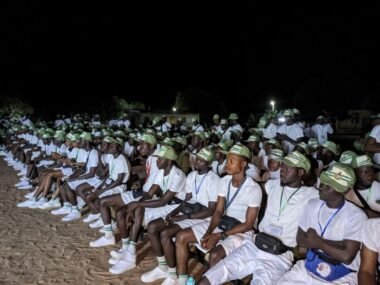
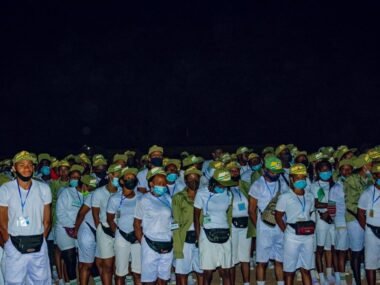
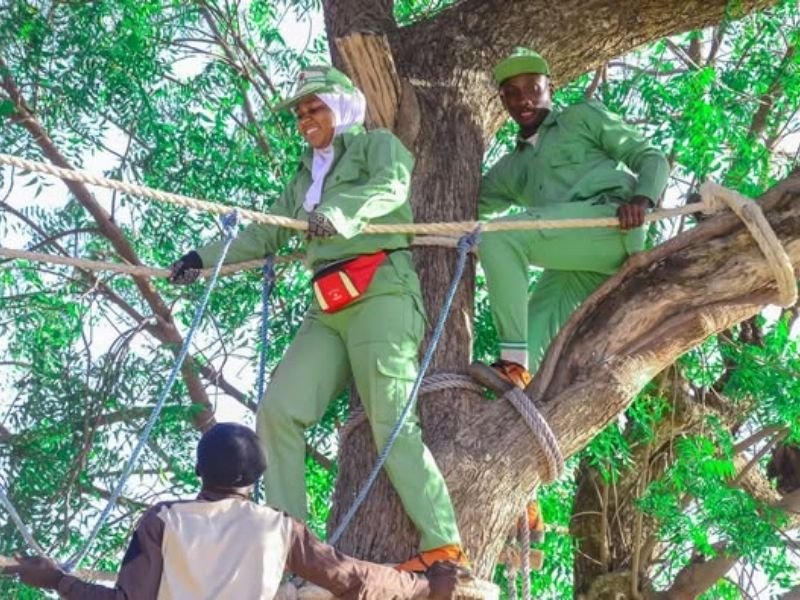
The decree was comprehensive, divided into sections that covered everything from the scheme’s objectives to administrative structures. Section 1 established the Service Corps, while subsequent sections detailed eligibility criteria, exemptions (such as for those over 30 or with military service), and penalties for evasion. Corps members were to undergo a three-week orientation camp focused on paramilitary training, civic education, and cultural immersion, followed by primary assignments in sectors like education, health, and agriculture.
Gowon’s vision was clear: the NYSC would serve as a melting pot for Nigeria’s diverse youth. By posting graduates far from their home states, the program aimed to dismantle prejudices and encourage inter-ethnic marriages, friendships, and collaborations. The decree also empowered a governing board, chaired by the Head of State, to oversee operations, with a directorate handling day-to-day affairs.
In its early years, the scheme faced logistical challenges, including inadequate funding and resistance from some graduates who viewed it as forced labor. However, it quickly gained traction, with successive governments upholding its mandate. The decree was later incorporated into the 1979 Constitution and revised in 1993 under General Ibrahim Babangida as Decree No. 51, which expanded eligibility to include polytechnic graduates.
Purpose and Objectives of the NYSC Decree
At its core, the NYSC decree was designed to promote national integration and development. The official objectives, as stated in the decree, include inculcating discipline, self-reliance, and patriotism in Nigerian youths. It sought to raise the moral tone of the youth by exposing them to higher ideals of national achievement and social progress.
One key purpose was to contribute to accelerated national growth by deploying skilled manpower to underserved areas. Corps members often teach in rural schools, provide healthcare in remote clinics, or support agricultural initiatives, filling gaps in public services. Another objective was to develop common ties among Nigerians, encouraging them to transcend ethnic, religious, and linguistic barriers.
The scheme also emphasized community development through the Community Development Service (CDS) component, where corps members undertake projects like building classrooms, digging boreholes, or organizing health campaigns. This hands-on involvement fosters a spirit of selfless service and empowers youths to become agents of change.
Over time, the objectives have evolved to include skill acquisition and entrepreneurship training, especially with the introduction of the Skills Acquisition and Entrepreneurship Development (SAED) program in 2012. This reflects a shift toward addressing youth unemployment by equipping participants with vocational skills.
Evolution and Amendments to the NYSC Decree
Since its inception, the NYSC decree has undergone several amendments to adapt to changing national realities. The original Decree No. 24 was amended in 1974 with Decree No. 2, which protected the government from civil suits related to program implementation.
In 1993, under Babangida, Decree No. 51 revised the act to include more graduates and strengthen enforcement mechanisms. This was later codified as Cap N84 in the Laws of the Federation of Nigeria 2004.
Recent discussions in 2024 and 2025 have focused on making the scheme optional or reforming it to address security concerns. A bill proposed in the National Assembly sought to amend Section 2 to allow voluntary participation, but it faced opposition from those who view NYSC as essential for unity. In 2025, the federal government announced plans for a comprehensive overhaul, including integrating technology for better deployment and safety.
Amendments have also addressed welfare issues, such as increasing allowances. As of 2025, the monthly stipend rose from N33,000 to N77,000, aligning with the new minimum wage. These changes reflect ongoing efforts to keep the program relevant amid economic pressures and insecurity.
Impact of NYSC on Nigerian Youth and Society
The NYSC has profoundly influenced Nigerian youth and society over five decades. For many participants, the experience is transformative, exposing them to new cultures and broadening their worldviews. It promotes inter-ethnic understanding, with countless stories of friendships and marriages formed during service.
On a societal level, the scheme has driven development in rural areas. Corps members have built infrastructure, improved literacy rates, and enhanced healthcare access. Studies show that NYSC contributes to national integration by reducing ethnic biases among participants.
Economically, it addresses manpower shortages and fosters entrepreneurship. Through SAED, thousands of ex-corps members have started businesses, creating jobs and stimulating local economies. Socially, it instills values of discipline and community service, preparing youths for leadership roles.
However, impacts aren’t uniformly positive. Insecurity in some regions has led to redeployments and safety concerns, while corruption in postings undermines trust. Despite these, the program’s role in nation-building remains undeniable, with surveys indicating that over 70% of alumni view it as beneficial.
Current Status of NYSC in Nigeria as of 2025
As of September 2025, the NYSC continues to operate robustly, mobilizing batches A, B, and C annually. The 2025 Batch A Stream II orientation concluded in May, with ongoing deployments. The program now incorporates digital tools for registration and verification, reducing fraud.
Key updates include mandatory health insurance through the National Health Insurance Authority (NHIA) and enhanced security protocols. The allowance increase to N77,000 has boosted morale, though calls for further reforms persist. Over 1,150 staff were promoted in 2025, signaling administrative strengthening.
The scheme faces challenges like economic hardship and debates over its mandatory nature, but it remains a cornerstone of youth development, with millions having served since 1973.
Challenges Facing NYSC and Future Prospects
Despite its achievements, NYSC grapples with issues like insecurity, inadequate funding, and unemployment post-service. Kidnappings in volatile areas have prompted relocations, while corruption in the system erodes credibility.
Prospects involve tech integration, such as a proposed Civic Tech Corps focusing on digital skills. Reforms could include optional service or partnerships with the private sector for better job placements. With Nigeria’s youth population booming, adapting NYSC is crucial for sustained relevance.
Conclusion: When Was The Decree Of Nysc Created