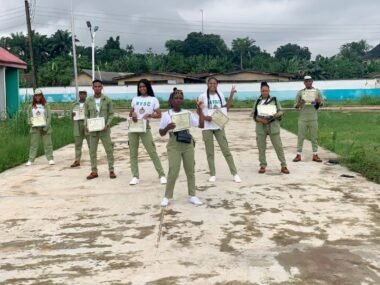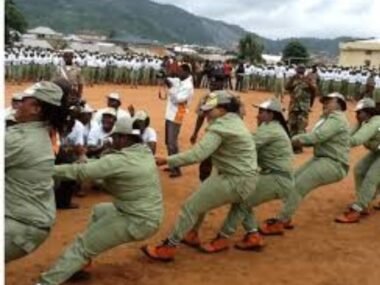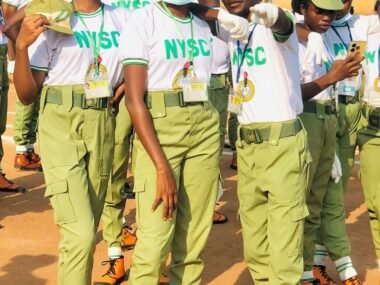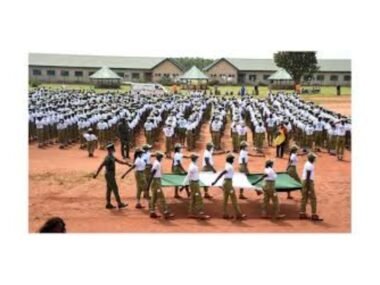
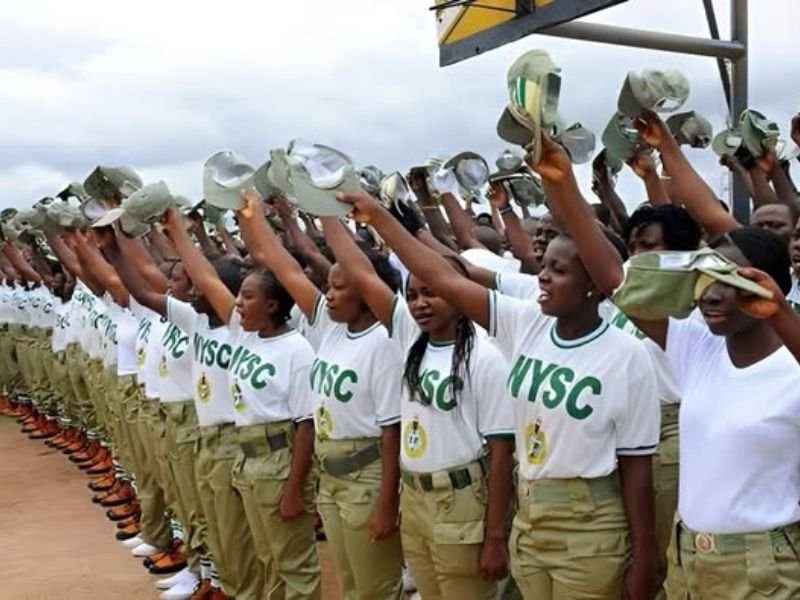
The National Youth Service Corps (NYSC) was established on May 22, 1973, by the Nigerian government under the military regime of General Yakubu Gowon, through Decree No. 24, to foster national unity, reconciliation, and reconstruction in the wake of the Nigerian Civil War (1967–1970). This landmark initiative mandated a one-year compulsory service for university and polytechnic graduates under 30, aimed at bridging ethnic divides and promoting cultural integration across Nigeria’s diverse regions.NYSC remains a cornerstone of Nigeria’s youth development, mobilizing over 300,000 corps members annually.
This article delves into the question “When was NYSC Established?” while exploring its origins, objectives, evolution, challenges, and enduring significance. Whether you’re a prospective corps member or researching Nigeria’s post-war policies, this guide offers authoritative insights for your journey.
The Genesis of NYSC: Why and When Was It Established?
The question of when the NYSC was established is answered by a pivotal moment in Nigeria’s history. In the aftermath of the devastating Nigerian Civil War, which ended in 1970, Nigeria faced deep ethnic and regional divisions. The war, often referred to as the Biafran War, left scars of mistrust and disunity among the nation’s diverse ethnic groups, including the Igbo, Yoruba, Hausa, and others. General Yakubu Gowon, then Head of State, recognized the need for a unifying mechanism to heal these wounds and rebuild a cohesive nation.
On May 22, 1973, Decree No. 24 was promulgated, officially establishing the NYSC with the primary aim of “encouraging and developing common ties among the youths of Nigeria and promoting national unity.” The program was designed to deploy graduates to states other than their own, exposing them to different cultures, languages, and traditions, thereby fostering mutual understanding and tolerance. Ahmadu Ali, the first Director-General, served until 1975, laying the groundwork for a program that would become a rite of passage for Nigerian graduates.
The establishment of NYSC was a direct response to the war’s aftermath, aligning with Gowon’s “3R” policy—reconstruction, rehabilitation, and reconciliation. By mandating service in unfamiliar regions, the program aimed to dismantle prejudices and build a sense of national identity. Its creation marked a bold step toward addressing Nigeria’s socio-political challenges, with the youth as the vanguard of unity.
The Objectives of NYSC: A Vision for National Unity
The NYSC was founded with clear objectives, as outlined in Decree No. 24 and later reinforced by Decree No. 51 of June 16, 1993. These include:
- Inculcating Discipline and Patriotism: To instill a tradition of hard work, loyalty, and selfless service in Nigerian youths.
- Promoting National Unity: By exposing youths to diverse cultures and fostering inter-ethnic understanding.
- Developing Skills and Leadership: To prepare graduates for future leadership roles through community service and skill acquisition.
- Addressing Socio-Economic Needs: To distribute skilled manpower equitably, especially in rural areas, to address shortages in education, healthcare, and infrastructure.
- Raising Moral and Cultural Standards: To encourage social and cultural improvement through interaction with different communities.
These objectives were ambitious, aiming to transform Nigeria’s youth into agents of national development. The program’s structure—orientation camps, primary assignments, and community development service—was designed to achieve these goals systematically.
The Structure of NYSC: How It Works
The NYSC program is divided into four phases, each critical to its mission:
- Orientation Course: A three-week intensive camp involving military drills, lectures, and skill acquisition workshops to prepare corps members for service.
- Primary Assignment: Corps members are posted to workplaces (PPAs) such as schools, hospitals, or government offices, often in rural areas, to address local needs.
- Community Development Service (CDS): Weekly projects where corps members undertake initiatives like health outreaches, literacy campaigns, or infrastructure development.
- Passing-Out Ceremony: At the end of the year, corps members receive a Certificate of National Service, a prerequisite for employment in many sectors.
Corps members, colloquially called “corpers,” are deployed to states other than their state of origin, ensuring cultural exposure. For example, a graduate from Lagos might serve in Sokoto, learning Hausa customs while contributing skills like teaching or medical expertise.
Evolution of NYSC: Milestones and Leadership
Since its establishment in 1973, NYSC has evolved significantly. Ahmadu Ali’s tenure as the first Director-General set the tone for a disciplined yet inclusive program. Subsequent leaders, like Major General Suleiman Kazaure (2016–2019) and the current Brigadier General Olakunle Oluseye Nafiu, have modernized operations, introducing digital platforms like the NYSC portal for registration and redeployment.
Key milestones include:
- 1973–1980s: Initial success in post-war reconciliation, with widespread acceptance among Nigerians.
- 1993: Decree No. 51 refined objectives, emphasizing discipline and skill development.
- 2010s: Digitalization of processes, reducing corruption like ghost corps members.
- 2020s: Partnerships with NiDCOM to include diaspora graduates and an enhanced focus on entrepreneurship.
By 2025, NYSC will have mobilized millions, with over 70% of applications processed online, reflecting technological advancements.
Challenges Facing NYSC: Past and Present
Despite its successes, NYSC has faced challenges since its inception:
- Early Years: Issues like corruption, ghost corps members, and accommodation shortages plagued the program.
- Security Concerns: By the 2010s, insecurity in regions like the North, driven by Boko Haram and banditry, led to redeployment demands.
- Unemployment: Post-service joblessness has diminished morale, with many corps members struggling to find employment.
- Welfare Issues: Low allowances (₦33,000 in 2025) and inadequate facilities in some PPAs have sparked protests.
- Relevance Debate: Some argue NYSC is outdated, citing modern connectivity and ethnic tensions.
Yet, NYSC has adapted. Digital portals, partnerships with agencies like the Central Bank for entrepreneurial loans, and increased security measures have addressed some concerns.
The Impact of NYSC: Achievements and Criticisms
NYSC’s impact is profound. It has:
- Bridged Ethnic Gaps: Millions have lived among diverse groups, reducing stereotypes.
- Developed Rural Areas: Corps members have built schools, clinics, and boreholes through CDS.
- Empowered Youths: Skill acquisition programs have produced entrepreneurs in fields like ICT and agriculture.
Critics, however, highlight issues like inadequate welfare and exposure to insecurity. A 2018 study suggested reforms like insurance schemes and higher allowances to boost morale.
Global Context: NYSC Compared to Other Youth Service Programs
NYSC is not unique globally. Similar programs exist elsewhere:
- France (Civic Service): A voluntary 6–12-month program for general interest missions.
- Mexico (Servicio Social): Focuses on post-revolutionary reconstruction through community service.
- Kenya (National Youth Service): Established in 1964 for vocational training and defense.
Unlike these, NYSC is mandatory and emphasizes cultural integration, reflecting Nigeria’s unique ethnic diversity.
The Future of NYSC: Reforms and Relevance in 2025
As Nigeria evolves, so does NYSC. Proposed reforms include:
- Increased Allowances: To match economic realities.
- Enhanced Security: Safe postings in volatile regions.
- Skill Expansion: More focus on tech-driven skills like AI and coding.
In 2025, NYSC’s digital transformation continues, with over 80% of processes online, including redeployment and clearance. Its relevance persists, as it remains a platform for youth empowerment and national integration.
FAQs About NYSC’s Establishment and History
- When was NYSC established? May 22, 1973, via Decree No. 24.
- Why was NYSC created? To promote unity and reconstruction post-civil war.
- Who founded NYSC? General Yakubu Gowon.
- Is NYSC still relevant? Yes, but reforms are needed for modern challenges.
- What’s the age limit for NYSC? Under 30 at graduation.
Conclusion
Since its establishment on May 22, 1973, NYSC has shaped Nigeria’s socio-cultural and developmental landscape. From post-war reconciliation to modern-day skill acquisition, it remains a vital institution despite challenges. As Nigeria navigates 2025, NYSC’s commitment to unity and youth empowerment endures, with digital advancements ensuring its adaptability. For more details, visit the NYSC portal or official social media channels.