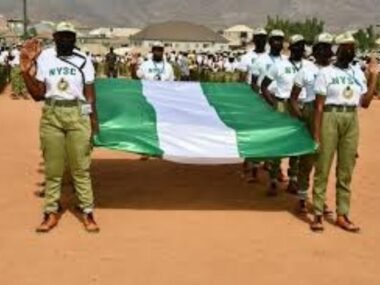
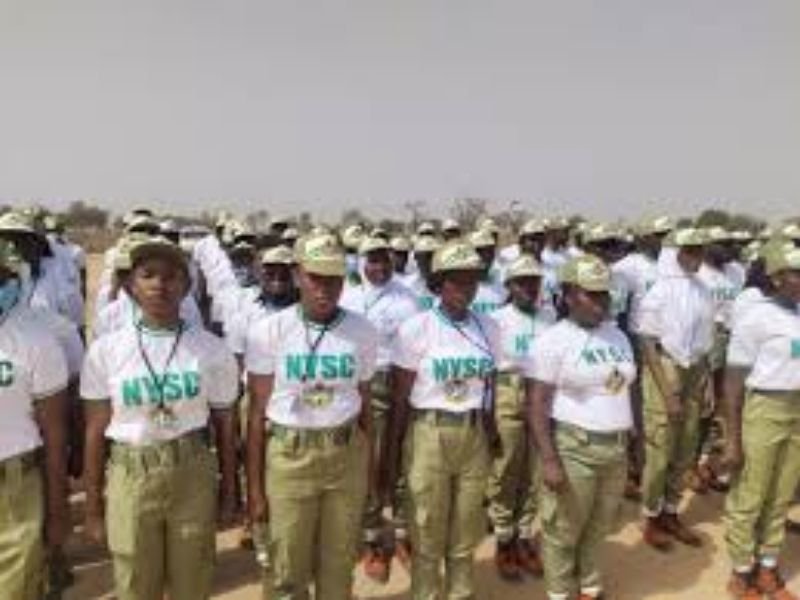
The National Youth Service Corps (NYSC) is a cornerstone of Nigeria’s post-civil war efforts to foster unity and development among its youth. Established in 1973, the NYSC has become a rite of passage for Nigerian graduates, blending cultural immersion, professional experience, and community service. A common question among prospective corps members is, “What year did NYSC start Batch C?” The Batch C program, one of the three annual mobilization cycles (Batch A, B, and C), was introduced to streamline the increasing number of graduates participating in the scheme.
While the NYSC was officially launched on May 22, 1973, under Decree No. 24, the batch system, including Batch C, emerged later as the program evolved to manage logistical demands. This article explores the origins of Batch C, the NYSC’s historical context, its operational framework, challenges, and its impact on Nigeria’s socio-economic landscape, providing a detailed guide for those seeking clarity on this iconic program.
The Genesis of NYSC: A Historical Overview
To understand when Batch C began, we must first delve into the origins of the NYSC itself. The NYSC was conceived in the aftermath of the Nigerian Civil War (1967–1970), a period marked by deep ethnic and regional divisions. The war left Nigeria fractured, and the government, under General Yakubu Gowon, sought a mechanism to rebuild national cohesion. On May 22, 1973, Decree No. 24 established the NYSC, mandating a one-year service for graduates of universities and polytechnics under the age of 30. The program aimed to promote reconciliation, reconstruction, and national unity by deploying young Nigerians to regions outside their states of origin, fostering cross-cultural understanding and patriotism.
The NYSC’s early years were modest, with a focus on mobilizing graduates for nation-building tasks. Ahmadu Ali served as the first Director-General from 1973 to 1975, laying the groundwork for a program that would grow in scope and complexity. Initially, the NYSC operated without the structured batch system we know today. Mobilization occurred as graduates became available, often aligned with academic calendars. However, as Nigeria’s tertiary institutions expanded, producing more graduates, the need for a more organized system became evident, leading to the introduction of batches.
When Did NYSC Introduce Batch C?
The batch system, comprising Batches A, B, and C, was not part of the NYSC’s original framework in 1973. Instead, it was introduced in the early 2000s to manage the growing number of corps members and streamline logistics. While precise records pinpointing the exact year of Batch C’s introduction are scarce, evidence suggests it emerged around 2004–2005, when the NYSC began formalizing its mobilization into three distinct cycles annually. This allowed the scheme to accommodate the increasing graduate output from Nigeria’s expanding higher education sector.
Batch C typically runs from November to December each year, following Batch A (March–May) and Batch B (July–September). The introduction of batches addressed logistical challenges, such as limited orientation camp capacities and the need for efficient deployment across Nigeria’s 36 states and the Federal Capital Territory (FCT). Each batch is further divided into streams (Stream I and Stream II) to manage the influx of participants, ensuring that orientation camps and Places of Primary Assignment (PPAs) are not overwhelmed.
The adoption of Batch C was a pragmatic response to the NYSC’s growth. By 2005, Nigeria’s tertiary institutions were graduating tens of thousands annually, necessitating a structured approach to mobilization. Batch C, often the final cycle of the year, allowed the NYSC to accommodate late graduates, including those delayed by academic strikes or administrative issues. Today, Batch C is integral to the NYSC’s operations, with its 2025 cycle already generating buzz among prospective corps members.
The NYSC Batch System: How It Works
The NYSC batch system is a logistical framework designed to manage the mobilization, orientation, and deployment of corps members. Here’s a breakdown of how it operates:
Mobilization and Registration
Prospective corps members (PCMs) register on the NYSC portal (portal.nysc.org.ng), submitting details such as their National Identification Number (NIN), academic credentials, and state preferences for service. The batch system organizes these registrations into three cycles:
-
Batch A: March–May, catering to early-year graduates.
-
Batch B: July–September, accommodating mid-year graduates.
-
Batch C: November–December, serving late-year graduates or those delayed by institutional factors.
Each batch undergoes a three-week orientation camp, where corps members are sworn in, trained in leadership and cultural skills, and prepared for their service year. Batch C’s timing, often coinciding with the year-end, makes it a critical cycle for ensuring all eligible graduates are mobilized before the next year begins.
Orientation Camps
Orientation camps are a hallmark of the NYSC experience, held across all 36 states and the FCT. These camps provide physical training, cultural education, and skill acquisition programs, such as the Skill Acquisition and Entrepreneurship Development (SAED) initiative. Batch C camps, typically held in November, are known for their festive atmosphere, with corps members often engaging in cultural displays and end-of-year events.
Deployment to PPAs
After orientation, corps members are posted to their Places of Primary Assignment (PPAs), which include schools, hospitals, government offices, and private organizations. Batch C corps members are deployed in December, serving through the following November. The NYSC prioritizes rural postings in sectors like education, health, and agriculture to drive community development.
Why Was Batch C Introduced?
The introduction of Batch C was driven by several factors:
-
Increased Graduate Numbers: By the early 2000s, Nigeria’s tertiary education sector had expanded significantly, with more universities and polytechnics producing graduates. The batch system allowed the NYSC to manage this influx effectively.
-
Logistical Efficiency: Orientation camps have limited capacity, typically accommodating 2,000–3,000 corps members per state. Dividing mobilization into three batches ensured camps were not overcrowded.
-
Academic Calendar Variations: Nigerian institutions have varied academic calendars, with some graduating students late in the year. Batch C accommodates these graduates, ensuring inclusivity.
-
National Events: Events like elections or religious holidays (e.g., Ramadan) can disrupt mobilization schedules. Batch C provides flexibility to adjust for such events.
The batch system, including Batch C, has become a cornerstone of NYSC’s operations, ensuring that the scheme remains scalable and efficient.
Challenges Facing NYSC Batch C Corps Members
While Batch C is a vital part of the NYSC, corps members face several challenges, many of which are common across all batches but can be exacerbated by the timing of Batch C’s deployment.
Skill Mismatch
Geology graduates teaching English or other unrelated subjects is a common issue due to teacher shortages in rural areas. Solution: Corps members can request redeployment after three months or enroll in the SAED program to acquire relevant skills, such as teaching methodologies or entrepreneurship.
Inadequate Facilities
Rural PPAs, particularly schools, often lack basic amenities like chalkboards or textbooks. Solution: Budget ₦2,000–₦5,000 monthly for supplies or seek support from the PPA or local community leaders.
Low Allowances
The federal stipend of ₦33,000 is often insufficient, especially in urban areas with high living costs. Solution: Pursue PPAs that offer additional pay or engage in approved side hustles, such as tutoring, which can earn ₦10,000–₦20,000 monthly with NYSC approval.
Rejection by PPAs
Some organizations reject corps members due to budget constraints. Solution: Obtain a rejection letter and apply for a new PPA through the NYSC secretariat, which typically processes reassignments within two weeks.
Security Concerns
Serving in volatile regions poses risks, particularly in areas with ethnic or political tensions. Solution: Apply for redeployment, citing security concerns, supported by verifiable evidence like news reports. The NYSC prioritizes corps members’ safety and processes such requests promptly.
Logistical Challenges for Batch C
Batch C’s November–December timing can coincide with holiday seasons, leading to transportation challenges or delayed postings. Corps members are advised to register early and monitor the NYSC portal for updates to avoid disruptions.
The Impact of NYSC Batch C on Nigeria
Since its introduction, Batch C has contributed significantly to Nigeria’s development. By mobilizing thousands of graduates annually, it ensures a steady supply of skilled manpower to underserved areas. Here are some key impacts:
National Unity
Batch C, like other batches, promotes cross-cultural integration by deploying corps members to unfamiliar regions. A Yoruba graduate from Lagos serving in Sokoto, for instance, learns about northern culture, fostering mutual understanding and reducing ethnic prejudices.
Community Development
Batch C corps members have spearheaded numerous Community Development Service (CDS) projects, such as building classrooms, organizing health campaigns, and teaching in rural schools. These initiatives address local needs and empower communities.
Skill Acquisition
The SAED program, emphasized during Batch C orientation, equips corps members with entrepreneurial skills. Many Batch C alumni have launched businesses in agriculture, fashion, and technology, contributing to Nigeria’s economy.
Electoral Support
Since 2011, Batch C corps members have served as ad-hoc staff for the Independent National Electoral Commission (INEC), supporting Nigeria’s democratic process during elections.
NYSC’s Evolution and Batch C’s Role
Over the years, the NYSC has adapted to Nigeria’s changing needs. The introduction of Batch C was a pivotal step in this evolution, reflecting the scheme’s ability to scale operations. Recent reforms include:
-
Digitalization: The NYSC portal, launched in the 2000s, streamlined registration and mobilization, making Batch C accessible to both local and foreign-trained graduates.
-
Increased Allowances: The monthly stipend rose from ₦7,500 to ₦33,000, improving corps members’ welfare.
-
Partnerships: Collaborations with organizations like INEC and the Nigeria Centre for Disease Control (NCDC) have expanded Batch C’s impact.
Despite these advancements, calls to scrap the NYSC, including Batch C, have emerged, citing insecurity, inadequate facilities, and economic challenges. However, proponents argue that the program’s benefits—unity, skill development, and community impact—outweigh its drawbacks.
How to Prepare for NYSC Batch C 2025
For prospective Batch C 2025 corps members, preparation is key to a fulfilling service year. Here are practical steps:
-
Register Early: Visit portal.nysc.org.ng to register as soon as mobilization begins, typically in October. Ensure you have an active email, phone number, and NIN.
-
Verify Documents: Upload clear copies of your academic credentials and verify your name on the JAMB matriculation list.
-
Choose States Wisely: Select three state preferences, considering factors like proximity, safety, and job opportunities. Note that final postings depend on national needs.
-
Budget for Orientation: Camp expenses (e.g., toiletries, transport) can range from ₦10,000 to ₦20,000. Plan accordingly.
-
Engage in SAED: Use the orientation camp to learn skills like agribusiness or digital marketing, which can support post-service employment.
-
Stay Informed: Follow NYSC’s official social media (@officialnysc on X, Instagram, and Facebook) for updates on Batch C 2025 schedules.
The Future of NYSC Batch C
As Nigeria navigates economic and security challenges, the NYSC, including Batch C, must continue to evolve. Recommendations include:
-
Enhanced Security Measures: Deploying corps members to safer regions and providing real-time security updates.
-
Improved Funding: Increasing stipends and camp budgets to address inflation and facility issues.
-
Skill-Based Postings: Matching corps members’ skills to PPAs to reduce mismatches and enhance productivity.
-
Public-Private Partnerships: Collaborating with private firms to provide better PPAs and post-service opportunities.
Batch C’s role in mobilizing late-year graduates ensures that no eligible youth is left behind, maintaining the NYSC’s inclusivity and impact.
Conclusion
The NYSC Batch C program, introduced around 2004–2005, is a testament to the scheme’s adaptability in managing Nigeria’s growing graduate population. Since its inception in 1973, the NYSC has been a beacon of unity and development, with Batch C playing a critical role in its annual operations. Despite challenges like skill mismatches, low allowances, and security concerns, Batch C corps members continue to drive community development, foster national integration, and acquire valuable skills.
As 2025 approaches, prospective corps members should prepare diligently, leveraging the NYSC portal and official channels for updates. The NYSC FCT Secretariat, alongside state offices, remains a vital resource for guiding corps members through this transformative journey. By addressing ongoing challenges and embracing innovation, Batch C will continue to shape Nigeria’s future leaders, ensuring the NYSC’s legacy endures.