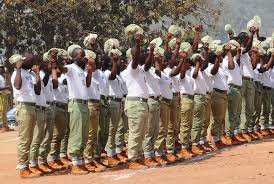
The National Youth Service Corps (NYSC) is a cornerstone of Nigeria’s post-graduate experience, a mandatory one-year program designed to foster unity, promote national development, and instill a sense of civic responsibility in young Nigerians. For many graduates, the journey begins with a process known as mobilization—a critical step that determines eligibility and sets the stage for deployment to various parts of the country.
While the NYSC program is a rite of passage for Nigerian graduates, the mobilization process can often feel like navigating a labyrinth, filled with bureaucratic nuances, institutional delays, and occasional frustrations. This article dives deep into every facet of NYSC mobilization, offering a detailed, humanized perspective for prospective corps members (PCMs). From eligibility criteria to troubleshooting common issues, this guide aims to equip graduates with the knowledge and confidence to tackle the process head-on.
What Is NYSC Mobilization?
At its core, NYSC mobilization is the administrative machinery that identifies, verifies, and prepares Nigerian graduates for their mandatory national service. It’s the process through which the NYSC compiles a list of eligible graduates, verifies their credentials, and assigns them to states across Nigeria for their service year. Think of it as the gatekeeper to the NYSC experience—a system that ensures only qualified individuals from accredited institutions are called up to serve.
Mobilization is not a singular event but a series of interconnected steps involving multiple stakeholders: higher institutions, the NYSC itself, and the graduates. It begins long before graduates log into the NYSC portal and continues until they receive their call-up letters, which detail their assigned states and orientation camp locations. The process is meticulous, designed to uphold the integrity of the NYSC scheme, but it’s not without its challenges. From name mismatches to delays in institutional submissions, mobilization can test the patience of even the most prepared graduate.
For many, the term “mobilization” evokes a mix of excitement and anxiety. It’s the moment when the abstract idea of national service becomes tangible—a call to leave familiar surroundings, embrace new environments, and contribute to Nigeria’s development. But before that adventure begins, graduates must navigate the mobilization process, ensuring their names appear on the NYSC Senate List and their details are correctly documented.
The Purpose of NYSC Mobilization
The NYSC was established in 1973, in the wake of Nigeria’s civil war, to promote national unity and reconciliation. Mobilization serves as the foundation of this mission, ensuring that the program reaches the right candidates—those who have earned their degrees or diplomas from recognized institutions. By verifying academic credentials and coordinating with institutions, the NYSC ensures that only qualified graduates participate, maintaining the program’s credibility.
Beyond administrative efficiency, mobilization plays a broader role in the NYSC’s objectives. It’s a mechanism for redistributing human capital across Nigeria, sending graduates to regions where their skills can address local needs. Whether assigned to teach in rural schools, work in healthcare facilities, or support community development projects, corps members become agents of change, and mobilization is the first step in making that happen.
Key Components of NYSC Mobilization
To fully grasp the mobilization process, it’s helpful to break it down into its core components. Each stage involves specific actions, stakeholders, and potential pitfalls. Here’s a closer look at how it all comes together.
1. Eligibility Verification
The NYSC is selective about who qualifies for national service. Not every graduate is automatically eligible, and the criteria are strict to ensure fairness and compliance with the program’s standards. To be mobilized, a graduate must meet the following requirements:
-
Graduation from an Accredited Institution: Only graduates from universities, polytechnics, or colleges of education recognized by the National Universities Commission (NUC) or the National Board for Technical Education (NBTE) are eligible. This includes both public and private institutions, but the program or course of study must be accredited.
-
Completion of Academic Requirements: Graduates must have completed all required coursework and obtained their academic certificates (or a statement of results, in some cases). Those still awaiting results or convocation are typically not mobilized until their credentials are verified.
-
Age Limit: The NYSC generally requires participants to be under 30 years old at the time of graduation, though exemptions exist for certain professionals, such as medical doctors and pharmacists.
-
Program Type: Full-time, part-time, and Higher National Diploma (HND) graduates are eligible, but part-time and distance learning students must provide evidence of completing approved programs. For example, graduates from the National Open University of Nigeria (NOUN) must meet specific NYSC guidelines.
Eligibility verification is the bedrock of mobilization. It ensures that only those who have earned their qualifications through legitimate means are called up. However, this stage can be a bottleneck, as discrepancies in academic records or unaccredited programs can disqualify candidates.
2. Submission of Graduates’ List by Institutions
Once a graduate meets the eligibility criteria, their institution takes the next step: submitting a list of qualified candidates to the NYSC. This list, often referred to as the Senate List (for universities) or Academic Board List (for polytechnics and colleges), is a formal document that includes:
-
Full names of graduates
-
Matriculation numbers
-
Courses of study
-
Dates of graduation
This submission is a critical juncture in the mobilization process. Institutions compile these lists after their senate or academic board approves the graduating class, ensuring that only those who have met all academic requirements are included. The NYSC relies heavily on the accuracy of these lists, as they form the basis for the mobilization database.
However, this stage is prone to delays. Some institutions, particularly those with large graduating classes or bureaucratic inefficiencies, may take weeks or even months to submit their lists. This can leave graduates in limbo, anxiously awaiting confirmation of their mobilization status.
3. Approval by NYSC
Once the NYSC receives the graduates’ lists, it conducts its own verification process. This involves cross-checking the submitted details against its database to ensure accuracy and compliance with eligibility criteria. The NYSC also confirms that the institution and its programs are accredited, weeding out any discrepancies or fraudulent entries.
After verification, the NYSC publishes the mobilization list, often referred to as the Senate Approved List. This list is uploaded to the NYSC portal, allowing graduates to check their status and proceed with registration. The approval process is rigorous, but it’s not infallible—errors in names, matriculation numbers, or course details can still slip through, causing headaches for PCMs.
4. Online Registration by Prospective Corps Members
Once a graduate’s name appears on the Senate Approved List, the next step is online registration. This is where PCMs take an active role in the process. The NYSC portal (https://portal.nysc.org.ng) serves as the central hub for registration, where graduates provide personal details, upload documents, and select their preferred states for deployment (though the NYSC ultimately decides the final posting).
The registration process typically includes:
-
Creating an Account: Graduates must create an account on the NYSC portal using their email address and a secure password.
-
Providing Personal Information: This includes full name, date of birth, gender, marital status, and contact details.
-
Uploading Documents: PCMs must upload scanned copies of their academic certificates, statement of results, or other relevant credentials.
-
Biometric Capture: During registration, graduates visit designated centers for biometric verification, including fingerprint and facial recognition.
-
State Selection: PCMs can indicate their preferred states, but the NYSC’s deployment algorithm often prioritizes national needs over individual preferences.
Successful registration culminates in the issuance of a call-up number and a call-up letter, which confirm a graduate’s status as a corps member and provide details about their orientation camp and state of deployment. This stage marks the transition from mobilization to active participation in the NYSC program.
How to Check NYSC Mobilization Status
For many graduates, the most nerve-wracking part of mobilization is confirming whether their name is on the Senate Approved List. Fortunately, the NYSC has made this process relatively straightforward through its online portal. Here’s a step-by-step guide to checking your mobilization status:
-
Visit the NYSC Portal: Go to https://portal.nysc.org.ng using a reliable internet connection and a compatible browser (Google Chrome or Mozilla Firefox are recommended).
-
Navigate to the Mobilization Status Page: Look for the “Check Mobilization Status” or “Check Senate List” option on the homepage. This link is usually prominent during mobilization periods.
-
Enter Your Details: Select your institution from a dropdown menu, then input your matriculation number and surname. Some portals may also require your date of birth or other identifiers.
-
Submit and Verify: Click the “Submit” button to check your status. If your name appears on the Senate Approved List, you’ll see a confirmation message, often with your call-up number or instructions to proceed with registration.
-
Troubleshoot if Necessary: If your name is missing, don’t panic. Contact your institution’s student affairs office or the NYSC help desk for clarification.
It’s a good idea to check the portal regularly, as mobilization lists are often released in batches. If your institution submits its list late, your name may appear in a subsequent batch. Patience and persistence are key.
Common Challenges During NYSC Mobilization
While the mobilization process is designed to be systematic, it’s not always smooth sailing. Graduates often encounter hurdles that can delay or complicate their journey. Below are some of the most common issues and tips for addressing them.
1. Name Mismatch
One of the most frequent problems is a discrepancy between a graduate’s name on their academic records and the NYSC mobilization list. For example, if your name appears as “Chukwuma John Obi” on your certificate but “John Obi Chukwuma” on the Senate List, the NYSC portal may not recognize you. This can happen due to clerical errors, inconsistencies in institutional records, or changes in name (e.g., due to marriage).
Solution: If you notice a name mismatch, act quickly. Visit your institution’s student affairs office to request a correction to the Senate List. You may need to provide documentation, such as your birth certificate, marriage certificate, or an affidavit, to resolve the issue. In some cases, you’ll need to publish a change of name in a national newspaper and submit it to the NYSC for verification.
2. Non-Accredited Institutions or Programs
Graduates from unaccredited institutions or programs may find themselves ineligible for mobilization. This is particularly common for students who attended private institutions or pursued courses that were not approved by the NUC or NBTE at the time of their graduation.
Solution: Before enrolling in any program, verify that the institution and course are accredited. If you’ve already graduated and discover this issue, consult with your institution to confirm whether the program has since been accredited. In rare cases, the NYSC may grant exemptions, but this is not guaranteed.
3. Late Submission by Institutions
Some institutions are notoriously slow in submitting their graduates’ lists to the NYSC, causing delays in mobilization. This can be frustrating, especially for graduates eager to start their service year or meet employment deadlines that require an NYSC certificate.
Solution: If you suspect a delay, contact your institution’s Directorate of Academic Planning or Student Affairs Office to inquire about the status of the Senate List. Polite but persistent follow-ups can help expedite the process. You can also check the NYSC portal for updates or reach out to the NYSC help desk for guidance.
4. Portal Technical Issues
The NYSC portal is a lifeline for PCMs, but it’s not immune to technical glitches. Server downtime, slow loading times, or errors during registration can disrupt the process, especially during peak periods when thousands of graduates are accessing the site.
Solution: Try accessing the portal during off-peak hours (e.g., early morning or late at night) to avoid congestion. Ensure you have a stable internet connection and use a compatible browser. If the issue persists, contact the NYSC support team via their official email or phone lines.
5. Exemption Cases
Some graduates are eligible for exemption from NYSC service, such as those over 30 years old at the time of graduation or those who have served in certain military or paramilitary organizations. However, processing an exemption certificate can be as complex as mobilization itself, with delays or errors in documentation.
Solution: If you believe you qualify for an exemption, apply through the NYSC portal and submit the required documents, such as your academic certificate and proof of age. Follow up with your institution and the NYSC to ensure your application is processed promptly.
Tips for a Smooth Mobilization Process
Navigating NYSC mobilization requires preparation, patience, and a proactive approach. Here are some practical tips to help you stay ahead of the curve:
-
Verify Your Details Early: Before graduation, confirm that your name, matriculation number, and course details are consistent across your institution’s records, your academic certificate, and any other relevant documents.
-
Stay Informed: Follow NYSC’s official social media channels (e.g., on X) and check the portal regularly for updates on mobilization timelines and requirements.
-
Prepare Your Documents: Have digital and physical copies of your academic certificates, statement of results, and identification documents (e.g., national ID card, international passport, or driver’s license) ready for registration.
-
Seek Help When Needed: If you encounter issues, don’t hesitate to contact your institution’s student affairs office or the NYSC help desk. Many problems can be resolved with timely communication.
-
Plan for Orientation: Once mobilized, start preparing for the orientation camp by gathering required items (e.g., white shorts, T-shirts, and a waist pouch) and budgeting for travel expenses.
The Bigger Picture: Why Mobilization Matters
NYSC mobilization is more than a bureaucratic hurdle—it’s the gateway to a transformative experience. For many graduates, the service year is a time of personal growth, cultural immersion, and professional development. By ensuring that only qualified candidates participate, mobilization upholds the integrity of the NYSC and aligns with its mission to foster national unity.
The process also reflects Nigeria’s broader aspirations for its youth. By deploying graduates to diverse regions, the NYSC encourages cross-cultural understanding and collaboration, breaking down ethnic and regional barriers. Mobilization ensures that this vision is realized in an organized and equitable manner, allowing every eligible graduate to contribute to the nation’s development.
Conclusion
The NYSC mobilization process is a critical step in the journey of every Nigerian graduate. While it can be complex and occasionally frustrating, understanding its components—eligibility verification, institutional submissions, NYSC approval, and online registration—can make the experience more manageable. By staying proactive, verifying your details, and addressing issues promptly, you can navigate mobilization with confidence and set the stage for a rewarding service year.
For prospective corps members, the key is preparation. Check your mobilization status regularly, communicate with your institution, and familiarize yourself with the NYSC portal. If challenges arise, don’t hesitate to seek assistance from your school or the NYSC help desk. With the right approach, you’ll be ready to embark on your national service, contributing to Nigeria’s growth while creating memories that will last a lifetime.