Activities in NYSC Orientation Camp (What Really Happens & How to Prepare)
Big Picture
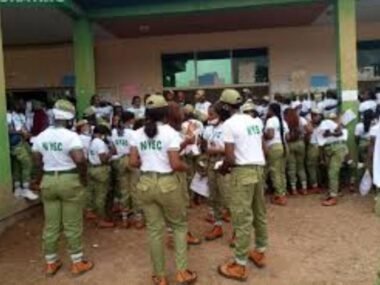
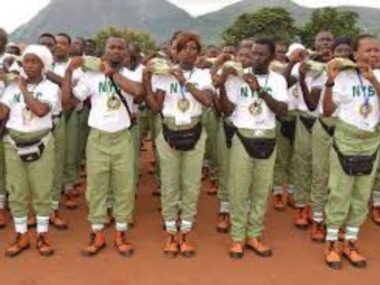
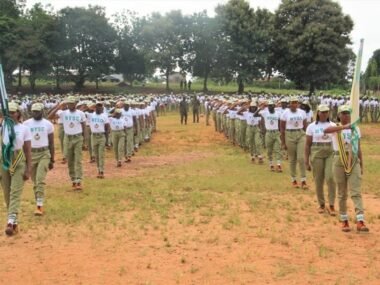
NYSC orientation camp runs for about 21 days. It’s a structured mix of registration, military-style discipline, SAED skills training, lectures, sports & socials, platoon competitions, and community-minded activities—all designed to build teamwork, resilience, and national unity.
1) Arrival Day: Registration & Documentation (Day 0–1)
What happens
-
Gate check: admission slip/call-up letter, ID, luggage screening.
-
Medical screening (vitals, quick checks; you can be excused from strenuous activities if medically indicated).
-
Biometrics & NYSC portal validation.
-
Documentation: call-up letter, statement/degree certificate, school ID, passport photos, medical fitness certificate.
-
Kit collection (issued by NYSC):
-
Khaki jacket & trousers
-
2 white T-shirts
-
2 pairs white shorts
-
White socks
-
Pair(s) of canvas shoes
-
Face cap
-
Belt/other basics
-
Pro tips
-
Bring originals + photocopies (3–5 sets) neatly clipped.
-
Label every item in your kit; khaki exchanges/alterations happen fast and things get mixed up.
-
Alteration tents are usually available—go early to avoid long queues.
Decamping risk: forged documents, failure to present originals, or serious misconduct during registration.
2) Swearing-In Ceremony (Usually Day 2–3)
-
Formal oath of allegiance administered by a judge.
-
Corps members officially recognized; parade and addresses by officials.
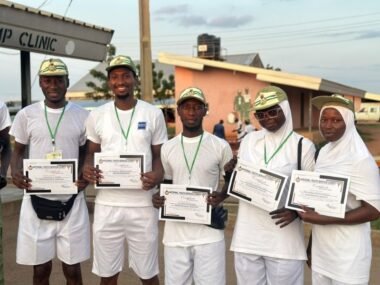
Dress: Complete white on white (or khaki as directed).
Tip: Arrive early; seating/standing is organized by platoon.
3) Military Drills & Parade (Daily)
-
Reveille (very early wake-up), assembly, warm-ups.
-
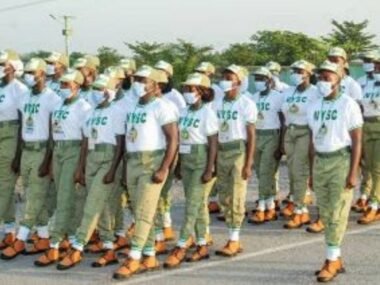
Marching drills, salutes, parade formations; preparing for closing parade.
-
Led by soldiers—firm but routine.
Benefits: teamwork, time management, physical fitness.
If unfit/medically excused: report to the clinic and obtain a formal excuse card; comply strictly.
4) Man ‘O’ War/Obstacle Course (Team-Building)
-
Rope climbs, balance beams, low walls, trust falls, problem-solving tasks.
-
Builds confidence and cohesion across platoons.
Optional but popular. Wear proper socks; hydrate. Don’t do risky stunts to impress—safety first.
5) SAED (Skills Acquisition & Entrepreneurship Development)
Tracks commonly offered
-
Fashion & tailoring, beadwork
-
Agro-allied (crop, poultry, fishery basics)
-
ICT (digital skills, basic coding, graphics, office productivity)
-
Cosmetology (soaps, creams, hair/skin products)
-
Food & baking (bread, pastries, snacks)
-
Creative/media (photography, videography)
-
Solar & power basics, domestic wiring (varies by state)
How it runs
-
Orientation/career talks → hands-on sessions → business guidance (branding, pricing, basic bookkeeping, access to funding opportunities).
-
You’ll pick one track—attend consistently to get the most out of it.
Tip: Treat SAED like a mini-apprenticeship;
start a micro-project in camp (e.g., simple product prototype or a portfolio page).
6) Lectures, Workshops & Talks (Daily/Alternate Days)
Typical themes
-
National unity, ethics & civic responsibility
-
Public health (malaria, HIV awareness, first aid, mental health)
-
Security awareness & personal safety
-
Entrepreneurship/SMEs, financial literacy
-
Digital citizenship & career prep (CVs, interviews, LinkedIn, networking)
-
Voter education and community participation
Make it count
-
Take quick notes (phone or small jotter).
-
Ask questions; collect contacts—many speakers are valuable mentors.
7) Social, Cultural & Sports Activities (Evenings/Select Days)
Regulars
-
Mr. Macho, Miss NYSC
-
Cultural day (attire, dance, cuisine showcase)
-
Talent night (music, drama, comedy, spoken word)
-
Bonfire night
-
Camp carnival (inter-platoon showpieces)
-
Sports: football, volleyball, athletics, table tennis, chess, scrabble, tug of war.
Tip: Events are inter-platoon—participate early; teams fill up quickly. Bring any gear you need (e.g., shin guards, racquet).
8) Community Development Service (CDS) Foundations
-
You’ll be introduced to CDS groups (e.g., health, education, environmental sanitation, road safety, anti-corruption, ICT literacy).
-
Planning starts in camp; execution happens after camp in your host community.
Choose with intent: align with your skills or the problem you want to solve. It can shape your impact—and your CV.
9) Security Duties, Curfew & Camp Conduct
-
Curfew and light-out times are strict; movement restricted after hours.
-
Some corps members volunteer for orderly duties (not compulsory).
-
Phones during parade/official events are restricted—follow commands.
-
Respect officials, soldiers, and fellow corps members; zero tolerance for harassment, bullying, or vandalism.
Exeat (temporary pass) is rare and granted for serious reasons with documentation.
10) Closing Parade & Posting (End of Camp)
-
Final march-past and awards (best platoon, sports, drills, socials, sanitation, etc.).
-
Collection of posting letters to Place of Primary Assignment (PPA).
-
Travel to PPA and resume with acceptance/assumption-of-duty letters.
Note on “POP” terminology:
The famous Passing Out Parade (POP) is the ceremony at the end of the service year (10–12 months later). The camp’s last-day event is the closing parade/ceremony, not POP.
A Realistic Daily Timetable (Varies by State)
-
4:30–5:00 a.m. Reveille, personal prep
-
5:00–6:30 a.m. Morning drills/fitness
-
6:30–7:30 a.m. Breakfast & cleanup
-
7:30–9:30 a.m. Parade/briefings
-
9:30 a.m.–1:00 p.m. Registration/admin (first week) or SAED/lectures (later)
-
1:00–2:00 p.m. Lunch
-
2:00–4:00 p.m. SAED practicals/lectures
-
4:00–6:00 p.m. Sports/inter-platoon rehearsals
-
6:00–7:00 p.m. Dinner
-
7:00–9:00 p.m. Social nights/cultural events/rehearsals
-
10:00 p.m. Lights out
Camp Infrastructure & Services (What to Expect)
-
Accommodation: Bunk beds in hostels (segregated by gender & platoon). Bring a padlock, small fan (if allowed), bedspread, and pillowcase.
-
Clinic: Basic first aid and outpatient care; serious cases referred. Bring personal meds, allergy info.
-
Canteen/Mami market: Food vendors, barbers, tailors, phone charging, small shops.
-
Worship: Christian and Muslim fellowships with approved service times/locations.
-
Banking/allowance setup: Account verification and payment enrollment handled on-site via NYSC directives (avoid sharing OTPs; follow official queues only).
Dress Code & Uniform Etiquette
-
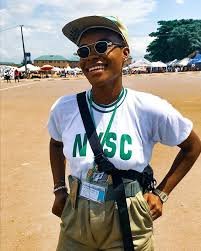
White-on-white for most routine activities (T-shirt, shorts, socks, canvas).
-
Keep uniforms neat and buttoned; avoid unauthorized alterations.
-
Hats/caps front-facing during parades; remove when instructed.
Conduct Rules & Penalties (Shortlist)
-
No fighting, bullying, harassment, or alcohol/drug use on parade grounds.
-
No absenteeism from mandatory parades/lectures without medical excuse.
-
Respect curfew and movement restrictions.
-
Forgery, impersonation, and examination of fake documents can lead to decamping and prosecution.
Special Cases & Considerations
-
Medical conditions: Declare at registration; obtain clinic clearance/exemption from strenuous activities.
-
Married corps members: Concessional posting/relocation typically requires marriage certificate and proof of spouse’s domicile (e.g., official ID/utility bill).
-
Nursing mothers & pregnant women: Usually excused from strenuous drills and may get special accommodation or relocation per NYSC directives.
-
Foreign-trained graduates: Keep all foreign verification documents handy.
Packing List (What to Bring)
Essentials
-
Originals + 5 photocopies: call-up letter, statement/degree cert, school ID, means of ID, medical fitness (and any relocation/marriage docs if applicable)
-
Passport photos (10–20)
-
White tees/shorts (extras), white socks, extra pair of white canvas
-
Toiletries, small first-aid kit, personal meds
-
Bed sheet(s), pillowcase, mosquito net/repellent
-
Power bank(s), extension box (if allowed), torchlight
-
Water bottle, small waist pouch
-
Needle/thread, safety pins; duct tape helps in a pinch
-
Padlock(s) + name tags
Nice-to-haves
-
Shower slippers, quick-dry towel
-
Small rechargeable fan (if permitted)
-
Snacks/electrolyte sachets
-
Notebook/jotter + pen
-
Costume items for social night (simple and packable)
Avoid/Prohibited
-
Hard drugs, alcohol on parade grounds/events
-
Clothing that violates camp decency/uniform rules
-
Heavy appliances that overload sockets (and anything camp bans)
Inter-Platoon Competitions (How to Help Your Platoon Win)
-
Sanitation: keep hostel surroundings spotless.
-
Parade/drill: show up, practice, be consistent.
-
SAED/product demos: volunteer for pitching; document with photos.
-
Sports & culture: fill gaps—join where your platoon is weak.
-
Teamwork: punctuality and orderliness score big.
Safety, Health & Well-Being
-
Hydrate (carry water to drills).
-
Sun protection: cap, light sunscreen.
-
Report injuries early; don’t “push through” serious pain.
-
Keep valuables minimal and out of sight; lock your box.
-
Buddy system at night; respect restricted zones.
After Camp: PPA & Early-Service Checklist
-
Report to your PPA with posting letter immediately (or within the time stated).
-
Secure acceptance and assumption-of-duty letters.
-
Register with your LGI/Zonal office and confirm your CDS day/group.
-
Arrange accommodation early; prioritize safety.
-
Keep your documents scanned and backed up.
FAQs (Fast Answers)
Q: Do I need to attend all parades and lectures?
A: Yes—unless you have a documented medical excuse.
Q: Can I get exeat (permission to leave camp)?
A: Only for serious reasons with written approval. Don’t count on it.
Q: Will I get my preferred SAED track?
A: First-come basis in many camps; go early on sign-up day.
Q: What exactly is POP?
A: Passing Out Parade is at the end of the service year, not at camp closing.
Quick Success Formula (TL;DR)
-
Arrive organized (documents, photocopies, labels).
-
Be early for everything (queues evaporate when you’re early).
-
Pick a SAED track and commit; leave camp with a tangible outcome.
-
Join at least one competition—it builds confidence and platoon spirit.
-
Follow rules; keep a low drama profile and a high teamwork profile.