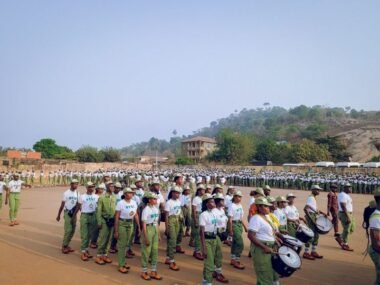
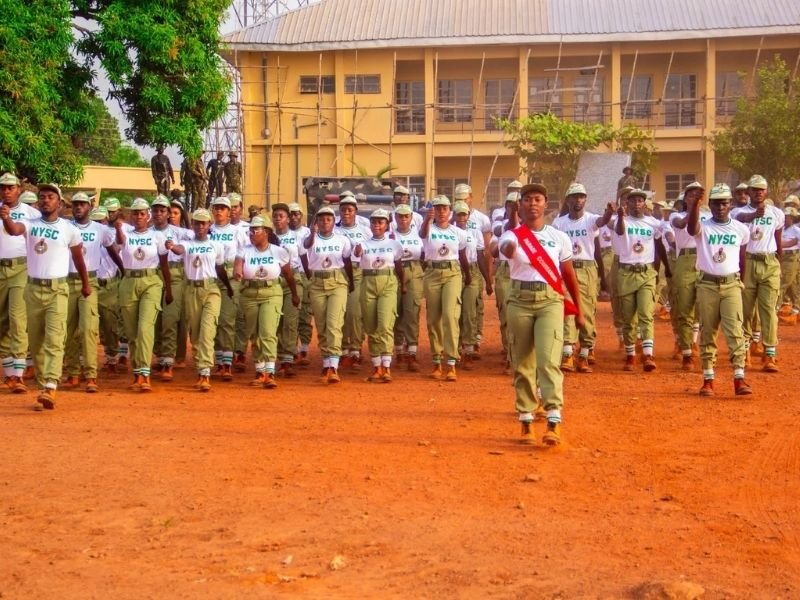
The National Youth Service Corps (NYSC) camp is a transformative experience for Nigerian graduates, and the platoon system is at the heart of it. If you’re wondering what a platoon in the NYSC camp entails, it’s a structured group that organizes corps members for activities, competitions, and daily routines during the three-week orientation camp.
Each platoon, typically numbering 100–150 corps members, fosters camaraderie, discipline, and teamwork while shaping memorable experiences. This article dives deep into the role of platoons in NYSC camps, their structure, activities, benefits, and tips for thriving as a platoon member, optimized to help you understand this unique aspect of the NYSC journey.
What Is a Platoon in NYSC Camp?
In the NYSC orientation camp, corps members are divided into platoons, usually numbered from 1 to 10, depending on the camp’s size. Each platoon functions as a unit for organizing camp activities like drills, sports, lectures, and social events. Upon arriving at the camp, you’re assigned to a platoon based on your registration number or randomly, and this group becomes your “family” for the duration of the camp. Platoons are led by a platoon leader, often a corps member elected by peers or appointed by camp officials, and supervised by a platoon commander, typically a military personnel or camp staff.
The platoon system is designed to instill discipline, encourage teamwork, and make camp management easier. It’s through your platoon that you’ll participate in morning parades, compete in inter-platoon events, and build lifelong friendships. Whether you’re marching under the scorching sun or cheering for your platoon during a football match, the experience is both challenging and rewarding.
The Structure of a Platoon in NYSC Camp
Each platoon operates like a mini-community with defined roles and responsibilities. Here’s a breakdown of the typical structure:
-
Platoon Leader: A corps member elected or appointed to lead the platoon. They coordinate activities, represent the platoon in meetings, and ensure members adhere to camp rules.
-
Platoon Commander/Inspector: A military officer or camp official who oversees the platoon’s activities, especially during parades and drills.
-
Corps Members: The main body of the platoon, participating in all assigned tasks and competitions.
-
Sub-Groups: Some platoons create smaller groups for specific tasks, such as sanitation, kitchen duties, or organizing social events.
Platoons are identified by numbers (e.g., Platoon 1, Platoon 2) and sometimes adopt nicknames or slogans to boost morale. For example, Platoon 5 might call themselves “The Mighty Lions” with a motto like “Strength in Unity.” These identifiers create a sense of pride and belonging.
Key Activities of Platoons in NYSC Camp
Platoons are central to almost every activity in the NYSC camp. Here’s a detailed look at what you’ll do as part of a platoon:
1. Morning Parades and Drills
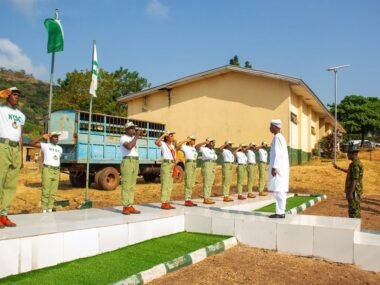
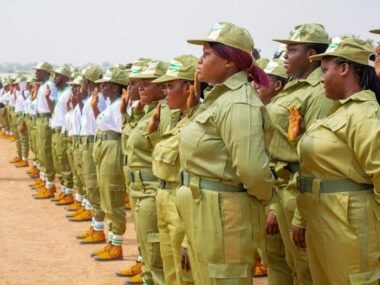
Every morning, platoons gather for physical drills led by military personnel. These sessions involve marching, jogging, and other exercises to build discipline and fitness. Your platoon will practice synchronized movements, and the best-performing platoons often receive recognition during camp. Pro tip: Pay attention during drills to avoid penalties like extra push-ups!
2. Inter-Platoon Competitions
Competitions are a highlight of camp life, and platoons compete fiercely in various categories:
-
Sports: Football, volleyball, and athletics are popular. Each platoon fields a team, and matches are highly competitive.
-
Marching/Parade: Platoons showcase their marching skills, with judges evaluating precision and coordination.
-
Cultural Performances: Platoons organize drama, dance, or comedy skits for the camp’s cultural night.
-
Sanitation and Discipline: Platoons are graded on cleanliness and adherence to camp rules.
Winning these competitions earns your platoon bragging rights and sometimes rewards like extra food or recognition at the camp’s closing ceremony.
3. Lectures and Skill Acquisition Programs
Platoons attend mandatory lectures on topics like entrepreneurship, leadership, and national unity. These sessions, often held in the camp hall, are organized by platoon to ensure order.
Additionally, platoons participate in Skill Acquisition and Entrepreneurship Development (SAED) programs, where corps members learn vocational skills like tailoring, photography, or digital marketing.
4. Social Events and Bonding
Platoons organize social nights, talent shows, and campfires, fostering camaraderie. These events are a chance to relax, showcase talents, and build connections. Many corps members form lifelong friendships or even romantic relationships within their platoons.
5. Camp Duties
Platoons are assigned daily duties like kitchen work, cleaning the hostel, or maintaining the parade ground. These tasks rotate among platoons to ensure fairness. While duties like washing dishes for hundreds of people can be tedious, they teach teamwork and responsibility.
Benefits of the Platoon System in the NYSC Camp
The platoon system isn’t just about organization—it offers tangible benefits that enhance the NYSC experience:
-
Teamwork and Collaboration: Working closely with platoon mates teaches you how to collaborate with diverse people, a skill valuable in professional and personal life.
-
Leadership Opportunities: Roles like platoon leader or committee member allow you to develop leadership skills.
-
Sense of Belonging: Being part of a platoon gives you a support system, making the camp feel less overwhelming.
-
Healthy Competition: Inter-platoon rivalries motivate corps members to excel in sports, drills, and other activities.
-
Memorable Experiences: From late-night rehearsals to winning a football match, platoon activities create lasting memories.
Challenges of Being in a Platoon
While the platoon system is rewarding, it comes with challenges:
-
Time Management: Balancing drills, lectures, and duties can be exhausting, especially with early morning wake-ups.
-
Conflicts: Personality clashes within the platoon can create tension, especially during high-stakes competitions.
-
Physical Demands: Marching and drills require stamina, which can be tough for corps members unaccustomed to physical exertion.
-
Group Punishments: If one member breaks a rule, the entire platoon may face penalties like extra drills.
To overcome these, stay positive, communicate openly with platoon mates, and follow camp rules to avoid collective punishment.
Tips for Thriving in Your NYSC Platoon
To make the most of your platoon experience, consider these practical tips:
-
Be Punctual: Arrive early for drills and activities to avoid penalties and show commitment.
-
Build Relationships: Connect with platoon mates early on. These bonds can make camp more enjoyable and help during your service year.
-
Participate Actively: Whether it’s sports, drama, or debates, get involved to showcase your skills and make memories.
-
Stay Organized: Keep track of your platoon’s schedule to avoid missing important events.
-
Respect Authority: Listen to your platoon commander and leader to maintain harmony.
-
Pack Smart: Bring comfortable shoes for drills, sunscreen for outdoor activities, and a positive attitude.
How to Prepare for Platoon Life Before NYSC Camp
Preparation is key to thriving in your platoon. Here’s how to get ready:
-
Physical Fitness: Start with light exercises like jogging or stretching to prepare for drills.
-
Research Camp Life: Read blogs or talk to NYSC alumni to understand what to expect.
-
Pack Essentials: Include white shorts, socks, and a waist pouch for convenience during camp activities.
-
Mental Preparation: Embrace the experience with an open mind, ready to learn and adapt.
The Role of Platoons in Fostering National Unity
The NYSC program aims to promote unity among Nigeria’s diverse ethnic groups, and the platoon system plays a crucial role. By mixing corps members from different backgrounds, platoons encourage collaboration and mutual understanding.
You’ll work with people from various states, religions, and cultures, breaking down stereotypes and building bridges. For example, during cultural nights, platoons often perform dances or dramas from different Nigerian regions, celebrating diversity.
Memorable Platoon Moments: Stories from NYSC Alumni
To give you a real sense of platoon life, here are anonymized stories from NYSC alumni:
-
Tolu, Lagos Camp: “My platoon won the football competition, and the joy of lifting that trophy together was unforgettable. We still have a WhatsApp group years later!”
-
Aisha, Kano Camp: “I was shy, but my platoon’s drama team pushed me to act in a skit. It boosted my confidence, and I made friends for life.”
-
Chidi, Enugu Camp: “Our platoon commander was strict, but he taught us discipline. Marching perfectly after weeks of practice felt like a huge achievement.”
These stories highlight how platoons create bonds and experiences that last beyond the camp.
Frequently Asked Questions About Platoons in NYSC Camp
1. How Are Platoons Assigned?
Platoons are typically assigned based on registration numbers or randomly during camp registration. You’ll find out your platoon on the first or second day.
2. Can I Change My Platoon?
Changing platoons is rare and usually requires a valid reason, like a medical issue, approved by camp officials.
3. What Happens If My Platoon Loses a Competition?
Losing isn’t the end! It’s about participation and bonding. Plus, there are multiple competitions, so your platoon can shine elsewhere.
4. Do Platoons Matter After Camp?
While platoons are primarily for camp activities, the connections you make can help during your service year, especially for community development projects.
Conclusion
The platoon system in the NYSC camp is more than just an organizational tool—it’s a gateway to personal growth, teamwork, and unforgettable memories. From marching in sync to cheering during competitions, your platoon will shape your camp experience and teach you valuable life skills.
Embrace the challenges, participate fully, and build relationships that could last a lifetime. As you prepare for NYSC camp, approach your platoon with enthusiasm, and you’ll leave with stories, skills, and friendships to cherish.