
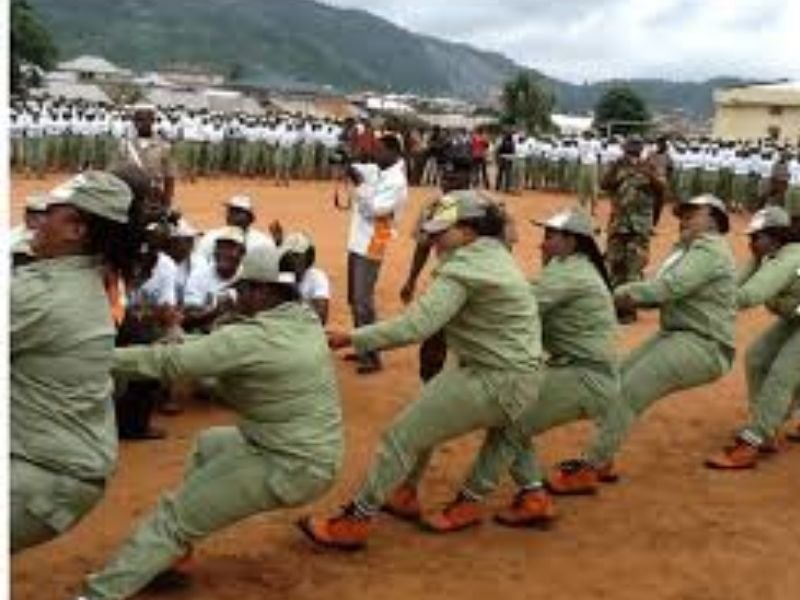
If you’re a recent graduate in Nigeria gearing up for your mandatory national service, you’ve likely heard about the Nysc Batch C Stream 2. This group represents one of the final cohorts mobilized each year under the National Youth Service Corps (NYSC) program, designed to foster unity, cultural exchange, and skill development among young Nigerians. For 2025, Batch C Stream 2’s orientation is slated to run from November 19 to December 9, giving participants a structured entry into a year of community service, professional growth, and personal challenges.
Whether you’re wondering about eligibility, how to register, or what to expect in camp, this guide breaks it all down step by step, based on the latest official updates and practical insights from past corps members.
The NYSC program, established in 1973, requires all Nigerian graduates under 30 to serve for one year in a state different from their origin or study. Batch C Stream 2 specifically caters to those mobilized later in the year, often including graduates whose senate lists were approved in the final quarter. With registration typically opening in early October and orientation kicking off in mid-November, it’s crucial to stay informed to avoid missing deadlines. In this article, we’ll cover everything from preparation tips to common pitfalls, ensuring you’re fully equipped for a smooth experience.
What Is NYSC and Why Does Batch C Stream 2 Matter?
The National Youth Service Corps isn’t just a rite of passage—it’s a cornerstone of Nigeria’s youth development strategy. Every year, thousands of graduates are divided into batches (A, B, and C) and streams (1 and 2) to manage logistics and ensure equitable distribution across the country’s 36 states and the Federal Capital Territory (FCT). Batch C, the third and final batch of the year, usually mobilizes in the October-December window, with Stream 2 following Stream 1 by a few weeks.
For 2025, Batch C Stream 2 stands out because it accommodates late qualifiers, such as those from institutions with delayed academic calendars or part-time programs. This stream helps decongest the system, allowing NYSC to handle the influx of over 300,000 corps members annually without overwhelming camps. Participating in this batch means you’ll likely serve during the holiday season, which can bring unique opportunities like festive community projects but also challenges like travel disruptions.
Understanding the batch system is key. Batches are chronological: Batch A starts around March, B in July, and C in October. Streams divide each batch into two phases for better management. If your name appears on the senate-approved list for Batch C, you’ll be assigned to either Stream 1 (October 22–November 11) or Stream 2. Missing your stream could delay your service by months, so proactive preparation is essential.
Eligibility Criteria for NYSC Batch C Stream 2 2025
Not everyone qualifies for NYSC, and Batch C Stream 2 is no exception. To be eligible, you must be a Nigerian citizen by birth or naturalization, hold a first degree (BSc, HND, or equivalent) from an accredited institution, and be under 30 years old at graduation. Foreign-trained graduates need verification from the Federal Ministry of Education, including equivalence certificates.
For 2025, additional checks include a valid National Identification Number (NIN), which is mandatory for registration. Part-time graduates from programs like NOUN or distance learning centers are typically exempted, but can apply for exclusion letters online. If you’re married, over 30, or have health issues, you might qualify for exemption—submit evidence like a marriage certificate or medical report during mobilization.
Institutions play a big role: Your school must upload your details to the NYSC Senate list portal. For Batch C Stream 2, this usually happens by early September 2025. Check your school’s notice board or student portal regularly. Common disqualifiers include incomplete documentation, age discrepancies, or unresolved name mismatches between your JAMB, NIN, and degree certificate. Pro tip: Verify all details early to avoid redeployment headaches later.
Step-by-Step Guide to NYSC Registration for Batch C Stream 2
Registration is the gateway to your NYSC journey, and for Batch C Stream 2 2025, it’s expected to open around early October, closing shortly before orientation. Based on patterns from previous years, like the 2024 Batch C Stream 2 registration from January 6–10, 2025 (which was a carryover), anticipate a tight window—perhaps October 1–10 for 2025.
Head to the official NYSC portal at portal.nysc.org.ng. Create an account using your email and a strong password. You’ll need your JAMB registration number, matric number, and NIN. Upload clear scans of your passport photo, degree certificate, and other documents. Pay the ₦3,000 registration fee via Remita or bank channels—keep the receipt handy.
Once registered, print your green slip and await the call-up letter, usually available a week before camp. This letter specifies your state of deployment. If you’re unhappy with it, apply for redeployment during camp, citing reasons like marriage, health, or security. Remember, registration is online-only; avoid cyber cafes if possible to prevent data breaches. Past corps members advise starting early to beat server glitches, which are common during peak times.
Preparing for Orientation Camp: What to Expect in Batch C Stream 2
Orientation camp is the highlight (or lowlight, depending on who you ask) of NYSC—a three-week immersion in military-style discipline, skill acquisition, and networking. For the 2025 Batch C Stream 2, camps open on November 19 and close on December 9, across all states. Expect early wake-ups at 4 a.m., parades, lectures on national unity, and SAED (Skills Acquisition and Entrepreneurship Development) sessions.
Pack essentials: White shorts and T-shirts (seven pairs), comfortable sneakers, toiletries, a waist pouch for valuables, and cash for incidentals (₦10,000–20,000 recommended). Medical kits, mosquito nets, and power banks are lifesavers in rural camps. Women should bring sanitary items; everyone needs sunscreen and hydration packs for drills.
Camp life builds resilience. You’ll learn basic drills from soldiers, attend cultural nights, and form platoons for competitions. SAED offers tracks like agro-allied, ICT, or fashion—choose one that aligns with your career. Health screenings are mandatory; disclose any conditions upfront. Security is tight, but follow the rules to avoid expulsion. Many describe camp as transformative, forging lifelong friendships amid the rigors.
Deployment and Primary Place of Assignment (PPA)
After camp, you’re posted to your Primary Place of Assignment (PPA), where you’ll serve for the remaining 10 months. For Batch C Stream 2, postings are announced during camp’s closing days. PPAs range from schools and hospitals to private firms and government offices. Your skills influence placement—a geology grad might end up in mining, but mismatches happen due to shortages.
If rejected by your PPA (common in budget-strapped organizations), get a rejection letter and request reposting via your Local Government Inspector (LGI). Side hustles like tutoring are allowed with approval, supplementing the ₦33,000 monthly allowance. Some states offer extras: Lagos pays ₦15,000+, while others like Rivers provide housing stipends.
Community Development Service (CDS) is a weekly joint group for projects like clean-ups or health outreaches. Track attendance; it’s required for your discharge certificate. Relocation is possible post-camp for valid reasons, but slots are limited.
Allowances, Payments, and Financial Tips
The federal allowance is ₦33,000 monthly, paid via bank accounts set up in camp. For Batch C Stream 2 2025, first payments might hit by late December, but delays occur—recent posts from May 2025 show Batch C Stream 2 corps members waiting into the second week. State allowances vary: Anambra offers ₦8,500, while Kano provides none.
Budget wisely: Rent (₦5,000–15,000/month in rural areas), food, and transport eat into it quickly. Open a savings account; many use apps like PiggyVest for discipline. Side gigs, if approved, can add ₦20,000–50,000 monthly. Avoid loans—focus on SAED to build post-service income streams.
Common Challenges and Practical Solutions
The National Youth Service Corps (NYSC) presents a myriad of challenges that demand resilience and strategic problem-solving. Below is a detailed exploration of common obstacles and recommended solutions to ensure a fulfilling service year.
Skill Misalignment
A frequent issue is the incongruence between a corps member’s academic background and their assigned role. For example, a computer science graduate may find themselves tasked with teaching biology, leading to professional dissatisfaction.
Solutions:
-
Request Redeployment: After completing the mandatory three-month period, corps members can submit a formal request for redeployment to a role more aligned with their expertise, subject to NYSC approval.
-
Upskill via SAED: Engage in the Skill Acquisition and Entrepreneurship Development (SAED) programme to acquire new skills or refine existing ones, enhancing adaptability and employability.
Inadequate Infrastructure at PPAs
Rural PPAs often suffer from deficient facilities, such as unreliable power supply, lack of teaching aids, or poor accommodation, which can impede effective service delivery.
Solutions:
-
Budget for Supplies: Allocate a monthly budget of ₦2,000–5,000 to procure essential materials, ensuring continuity in task execution.
-
Seek PPA Support: Negotiate with the PPA management for the provision of necessary resources or logistical assistance to mitigate infrastructural deficiencies.
Security Concerns in Volatile Regions
In areas prone to insecurity, corps members may face heightened risks, compromising their safety and peace of mind.
Solutions:
-
Apply for Redeployment: Submit a redeployment request to the NYSC secretariat, substantiated by credible evidence such as recent news reports or official security advisories, to relocate to a safer environment.
Insufficient Allowances
The standard NYSC allowance often falls short of meeting basic needs, particularly in high-cost areas, creating financial strain.
Solutions:
-
Pursue PPAs with Bonuses: Prioritize PPAs known to offer supplementary stipends or allowances to augment income.
-
Engage in Approved Side Ventures: Explore NYSC-approved entrepreneurial activities or side hustles, ensuring compliance with programme regulations to avoid penalties.
PPA Rejection
Some corps members face rejection by their assigned PPA, which can disrupt their service experience and delay integration.
Solutions:
-
Secure a Rejection Letter: Obtain an official rejection letter from the PPA to formalize the disengagement.
-
Reapply via Secretariat: Submit the rejection letter to the NYSC secretariat and request reassignment to an alternative PPA, adhering to procedural guidelines.
Health Challenges During Orientation Camp
The rigorous demands of the orientation camp, coupled with environmental factors, can lead to health issues if not properly managed.
Solutions:
-
Maintain Hydration: Ensure consistent water intake to prevent dehydration, especially during physically demanding activities.
-
Prompt Medical Reporting: Report any health concerns to camp medical personnel immediately to receive timely intervention and avoid complications.
Loneliness and Social Isolation
The transition to unfamiliar environments can engender feelings of loneliness, particularly for corps members posted to remote areas.
Solutions:
-
Participate in CDS: Actively engage in Community Development Service (CDS) projects to build connections and contribute meaningfully to the host community.
-
Join Social Events: Attend NYSC-organized social activities, such as cultural nights or sports events, to foster camaraderie and combat isolation.
By proactively addressing these challenges with the outlined strategies, corps members can optimize their NYSC experience, transforming potential obstacles into opportunities for growth and impact.
Tips from Past Corps Members for Success
Seasoned alumni emphasize the transformative power of networking: forge robust connections with fellow platoon members to unlock valuable employment opportunities. Meticulously document your service experiences—photographic evidence of completed projects significantly enhances your curriculum vitae. Immerse yourself in the local language and culture; proficiency fosters seamless community integration and enriches interpersonal relationships.
Prioritize your well-being: maintain a disciplined fitness regimen, adhere to a nutritionally balanced diet, and secure comprehensive health insurance to safeguard against unforeseen medical expenses. Financial prudence is paramount—allocate at least 20% of your monthly allowance to savings to build a robust financial cushion. Post-service, strategically leverage your National Service Certificate to gain a competitive edge in the job market, as many organizations accord preferential consideration to former corps members.
FAQs About NYSC Batch C Stream 2
When does registration commence? It is anticipated to begin in early October 2025; kindly verify details on the official portal.
Can I select my preferred state of service? No, state selection is not permitted, though redeployment may be requested post-assignment.
What provisions exist for individuals exceeding 30 years of age? Such individuals are eligible to apply for an exemption from service.
Is participation in the orientation camp compulsory? Yes, attendance is mandatory unless an exemption has been granted.
How may I obtain my certificate of national service? Successful completion of the service year without any infractions is required to receive the certificate.
Conclusion
As the National Youth Service Corps (NYSC) Batch C Stream 2 2025 approaches, seize this pivotal opportunity as a dynamic launchpad for personal and professional growth. The journey, from the invigorating experiences of orientation camp to the profound impact of Community Development Service (CDS), promises to forge resilient, visionary leaders equipped to navigate challenges with fortitude.
This transformative year beckons corps members to harness their potential, cultivate adaptability, and contribute meaningfully to national development. To remain abreast of any procedural or scheduling changes, diligently monitor updates through the official NYSC portal or verified social media channels.
Serve with unwavering pride, dedication, and purpose, for your efforts will indelibly shape Nigeria’s future, fostering unity and progress. Let this service year be a cornerstone of your legacy, as you emerge as an exemplar of commitment and excellence in nation-building.