
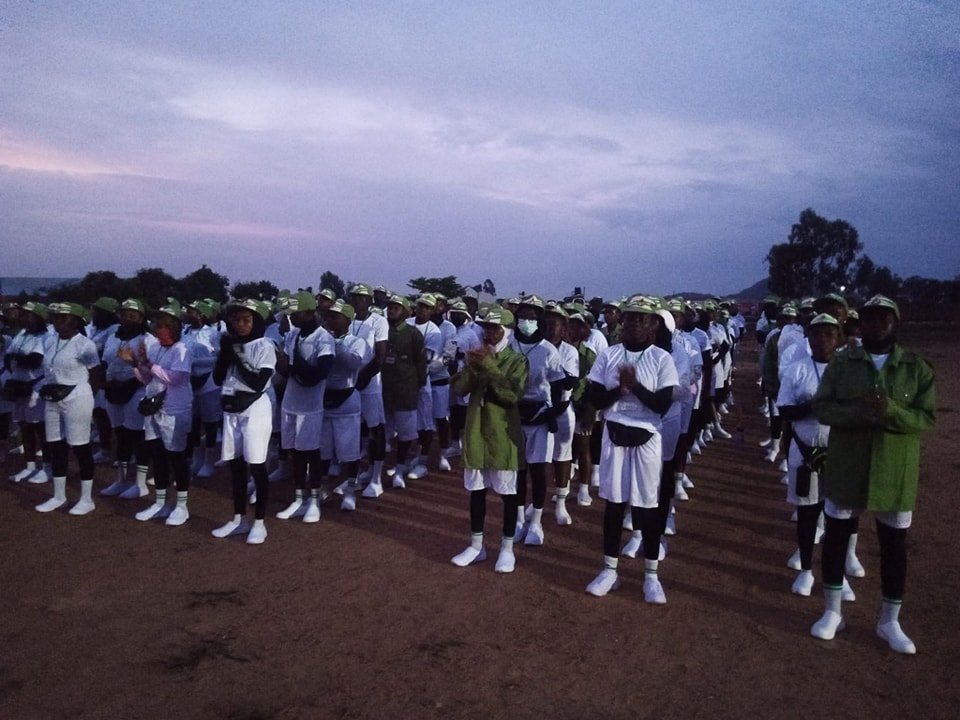
The National Youth Service Corps (NYSC) is a cornerstone of Nigeria’s post-graduate experience, a mandatory one-year program designed to foster unity, discipline, and patriotism among the nation’s youth. Established in 1973, the scheme requires graduates from universities and polytechnics, both within Nigeria and abroad, to dedicate a year to national service, often in states far from their homes. For many, it’s a rite of passage—a blend of adventure, challenge, and personal growth. However, one of the most critical and often misunderstood aspects of the NYSC is its age limit, which has sparked debates, confusion, and even frustration among prospective corps members.
The official NYSC policy sets the age cap at 30 years at the time of graduation, a rule that shapes who can participate in this transformative program. While the policy is straightforward, it comes with nuances, exceptions, and implications that every graduate needs to understand. Whether you’re a fresh graduate stepping out of university at 22 or someone returning to school later in life, this comprehensive guide will break down the NYSC age limit, explore eligibility criteria, highlight exemptions, and offer practical advice for navigating the system. By the end, you’ll have a clear understanding of how the age limit applies to you and what steps you can take to ensure compliance—or explore alternatives if you fall outside the eligibility bracket.
The NYSC Age Limit: What the Rules Say
At its core, the NYSC age limit is a non-negotiable requirement outlined in the NYSC Act. The rule is simple: to participate in the program, you must not be older than 30 years at the time of graduation from your tertiary institution. This applies to the date you officially complete your academic program, not the date of mobilization or registration for NYSC. For clarity, if you graduate at 31, you’re ineligible, even if you’re mobilized a few months later when you’re still 31.
This age restriction applies across the board to:
-
University graduates with bachelor’s degrees, whether from Nigerian or foreign institutions.
-
Polytechnic graduates holding Higher National Diplomas (HND) or National Diplomas (ND).
-
Foreign-trained graduates, provided their certificates are recognized by the Nigerian government after evaluation.
The age limit is strictly enforced during the NYSC registration process. When you sign up on the NYSC portal, you’ll need to provide verifiable details, including your date of birth, as recorded in official documents like your WAEC certificate, international passport, or National Identification Number (NIN). Any attempt to falsify your age can lead to severe consequences, including disqualification or legal repercussions.
The enforcement of this rule is rigorous. During registration, NYSC officials cross-check your details against your academic records and other identification documents. If you’re found to be over 30 at the time of graduation, you’ll be automatically disqualified from participating in the service year. This strictness underscores the importance of understanding the policy before embarking on your NYSC journey.
Why Does the NYSC Have an Age Limit?
To fully grasp the rationale behind the 30-year age cap, it’s essential to understand the purpose of the NYSC itself. The program was created in the aftermath of Nigeria’s civil war to promote national unity, bridge ethnic divides, and equip young graduates with skills and experiences that prepare them for leadership roles. The emphasis on “youth” is deliberate—the NYSC is designed for individuals in their formative years, typically in their 20s, who are seen as adaptable, energetic, and open to the transformative experiences the program offers.
The NYSC involves a range of activities that can be physically and mentally demanding. The mandatory three-week orientation camp, for instance, includes drills, paramilitary training, and communal living, often in challenging environments. Corps members are also posted to various parts of the country, sometimes to rural areas, to undertake community development projects, teach in schools, or work in government offices. These tasks require a level of physical stamina and flexibility that the NYSC management believes is best suited for younger graduates.
Moreover, the age limit aligns with the program’s goal of instilling discipline and patriotism in Nigeria’s youth. The NYSC aims to mold individuals who are still shaping their worldviews and professional paths, using the service year as a platform to foster a sense of civic responsibility and national pride. Older graduates, while not inherently incapable, may already be settled in their careers or personal lives, making them less likely to benefit from—or fully engage in—the program’s objectives.
The age cap also serves practical purposes. With thousands of graduates mobilized annually, the NYSC must manage its resources efficiently. Setting an age limit helps streamline the pool of participants, ensuring the program remains focused on its target demographic: young, fresh graduates who can contribute to and benefit from the scheme’s structure.
Exceptions to the Age Limit: Who Qualifies?
While the 30-year age limit is strictly enforced, the NYSC recognizes that not all academic journeys follow the same timeline. Some fields of study, such as medicine and law, require longer periods of training, which can push graduates past the age of 30. Others may face delays due to personal circumstances, such as financial challenges or health issues, that prolong their education. To accommodate these realities, the NYSC provides limited exceptions to the age rule, though these are not automatic and require specific conditions to be met.
1. Medical Doctors and Allied Health Professionals
One of the most well-known exceptions applies to medical doctors, pharmacists, nurses, and other allied health professionals. Training in these fields often takes longer than standard undergraduate programs. For example, medical school in Nigeria typically spans six to seven years, and when combined with pre-university delays (such as repeated entrance exams or waiting periods), many medical graduates are in their late 20s or early 30s by the time they complete their degrees.
Recognizing this, the NYSC grants exemptions to the age limit for these professionals. A medical doctor who graduates at 32, for instance, may still be eligible to participate in the program, provided they meet all other requirements, such as possessing a valid degree from an accredited institution and completing the necessary registration processes. This exemption acknowledges the critical role these professionals play in Nigeria’s healthcare system, particularly in underserved areas where corps members are often posted.
However, this exemption is not a blanket pass. Candidates must provide verifiable documentation, such as their degree certificate and professional registration with bodies like the Medical and Dental Council of Nigeria (MDCN) or the Pharmacists Council of Nigeria (PCN). The NYSC reviews these cases carefully to ensure compliance.
2. Legal Professionals (Law Graduates)
Law graduates are another group that may qualify for an age limit exemption. In Nigeria, becoming a lawyer involves completing a five-year LLB program followed by a year at the Nigerian Law School, totaling six years of tertiary education. For students who face delays—such as repeated JAMB exams, strikes, or other disruptions—it’s not uncommon to graduate in their early 30s.
The NYSC recognizes the extended nature of legal education and may grant exemptions to law graduates who are slightly above the 30-year threshold. As with medical professionals, this is not automatic. Applicants must submit proof of their law degree and call-to-bar certificate, and their case is subject to review by the NYSC authorities.
3. Special Cases and Appeals
Beyond medical and legal professionals, the NYSC Directorate occasionally considers appeals from individuals who exceed the age limit due to extenuating circumstances. These cases are rare and evaluated on a case-by-case basis. Examples of valid reasons might include:
-
Prolonged academic disruptions: Strikes, funding issues, or institutional delays that significantly extend a student’s time in school.
-
Health challenges: Documented medical conditions that delayed graduation.
-
Other extraordinary circumstances: Situations like family emergencies or financial hardship that prevented the timely completion of studies.
To apply for an exemption, candidates must submit a formal appeal to the NYSC Directorate, accompanied by supporting documents such as academic records, medical reports, or affidavits. The process is rigorous, and approval is not guaranteed. The NYSC prioritizes transparency and fairness, so any attempt to falsify documents or misrepresent circumstances can lead to disqualification.
The Consequences of Exceeding the Age Limit
If you’re over 30 at the time of graduation and don’t qualify for an exemption, participation in the NYSC is not an option. However, this doesn’t mean you’re entirely cut off from fulfilling your obligations or pursuing your career. The NYSC provides an alternative for those who are ineligible due to age: an exemption letter.
An exemption letter is an official document issued by the NYSC that certifies you’ve been excused from participating in the service year. It serves as proof that you’ve met the legal requirements of the NYSC Act, even if you didn’t serve. This letter is particularly important for graduates seeking employment in Nigeria, as many employers—especially in the public sector—require evidence of NYSC participation or exemption as a condition of hiring.
To obtain an exemption letter, you’ll need to apply through the NYSC portal or visit an NYSC office with your academic credentials and identification documents. The process is straightforward but requires attention to detail to avoid delays. Once issued, the exemption letter is valid for life and can be used for job applications, further studies, or other purposes where NYSC compliance is required.
While an exemption letter resolves the legal and professional implications of not serving, it’s understandable that some graduates feel disappointed about missing the NYSC experience. The program offers unique opportunities for networking, cultural immersion, and personal development, and being excluded due to age can feel like a loss. However, there are alternative ways to engage in community service, volunteerism, or professional development that can replicate some of the NYSC’s benefits, which we’ll explore later in this guide.
How to Confirm Your Eligibility
Navigating the NYSC eligibility process can be daunting, especially with the age limit hanging over your head. To avoid surprises, it’s crucial to confirm your eligibility well before registration begins. Here’s a step-by-step guide to ensure you’re on the right track:
-
Verify Your Age: Check your official date of birth as recorded on your WAEC certificate, NIN, or international passport. This is the date the NYSC will use to determine your eligibility. If there are discrepancies in your records (e.g., different dates on different documents), resolve them immediately through the appropriate authorities.
-
Confirm Your Graduation Date: Your age is calculated based on the date you officially graduate, as indicated on your degree or HND certificate. Contact your institution to confirm this date if you’re unsure.
-
Check Your Academic Credentials: Ensure you’ve graduated from an accredited institution recognized by the NYSC. For foreign-trained graduates, your certificate must be evaluated and approved by the Federal Ministry of Education.
-
Review NYSC Guidelines: The NYSC regularly updates its policies, so check the official NYSC website (www.nysc.gov.ng) or visit a local NYSC office for the latest information on age limits and exemptions.
-
Prepare Documentation: Gather all necessary documents, including your degree certificate, statement of results, and identification documents. If you’re seeking an exemption, have supporting evidence ready, such as medical reports or professional certifications.
-
Contact NYSC for Clarification: If you’re close to the age limit or have unique circumstances, reach out to the NYSC Directorate for guidance. They can provide clarity on whether you qualify for an exemption or other considerations.
By taking these steps proactively, you can avoid last-minute disqualification and ensure a smooth registration process.
Challenges and Controversies Surrounding the Age Limit
The NYSC age limit has not been without controversy. Many graduates, particularly those who return to school later in life, argue that the 30-year cap is arbitrary and exclusionary. For instance, someone who pursues higher education in their late 20s due to financial constraints or career changes may find themselves ineligible for NYSC, despite being just as capable of contributing to the program. This has led to calls for the NYSC to revise its age policy to be more inclusive.
Another point of contention is the enforcement of the rule. Some graduates have reported inconsistencies in how the age limit is applied, particularly for foreign-trained students or those seeking exemptions. While the NYSC maintains strict standards, the lack of clear communication about the exemption process can leave applicants confused and frustrated.
There’s also the issue of falsification. Desperate to participate in the NYSC, some graduates attempt to alter their age on official documents, a practice that carries significant risks. The NYSC has robust verification processes, and those caught falsifying information face disqualification, legal action, and damage to their professional reputation. Instead of resorting to such measures, graduates are better off exploring legitimate options like exemption letters or appealing for special consideration.
Practical Tips for Graduates Approaching the Age Limit
If you’re nearing the 30-year mark and still in school, the NYSC age limit can feel like a ticking clock. Here are some practical tips to help you stay on track:
-
Plan Your Academic Timeline: If possible, complete your degree or HND program before you turn 30. This may mean avoiding unnecessary delays, such as deferring semesters or extending your studies.
-
Explore Accelerated Programs: Some institutions offer fast-track programs that allow you to complete your degree in less time. If you’re a mature student, inquire about these options.
-
Stay Informed: Keep an eye on NYSC announcements and policy changes. The program occasionally adjusts its guidelines, and staying updated can help you plan accordingly.
-
Document Extenuating Circumstances: If delays in your education are due to factors beyond your control (e.g., strikes, illness, or financial issues), keep detailed records. These can strengthen your case for an exemption if needed.
-
Consider Alternative Paths: If you’re likely to exceed the age limit, start exploring alternatives like volunteer programs, professional certifications, or community service initiatives that align with your goals.
For those who’ve already surpassed the age limit, don’t despair. An exemption letter ensures you meet legal and professional requirements, and you can still engage in meaningful activities to build your skills and network.
Alternatives to NYSC for Older Graduates
Missing out on the NYSC doesn’t mean you can’t contribute to society or grow personally and professionally. Here are some alternatives for graduates who are ineligible due to age:
-
Volunteer Programs: Organizations like Volunteer Service Overseas (VSO) or local NGOs offer opportunities to work on community development projects, similar to NYSC’s Community Development Service (CDS).
-
Professional Certifications: Use the time you would have spent on NYSC to pursue certifications in your field, such as project management, data analysis, or digital marketing. These can enhance your employability.
-
Entrepreneurship: Start a small business or freelance in your area of expertise. The NYSC experience often fosters entrepreneurial skills, and you can replicate this by launching your own venture.
-
Mentorship and Leadership Roles: Take on leadership positions in your community or professional organizations. These roles can help you build the same skills NYSC aims to cultivate, such as teamwork and problem-solving.
-
Further Education: If you’re passionate about learning, consider pursuing a master’s degree or other advanced qualifications. This can open doors to new career opportunities.
Looking Ahead: The Future of the NYSC Age Limit
As Nigeria evolves, so too does the conversation around the NYSC and its policies. The age limit, while rooted in the program’s original vision, may face increasing scrutiny as more Nigerians pursue education later in life. Advocates for reform argue that raising the age cap or making exemptions more accessible could align the NYSC with modern realities, where career paths are less linear and lifelong learning is more common.
For now, the 30-year age limit remains a core component of the NYSC framework. Graduates must plan carefully to ensure they meet this requirement or qualify for an exemption. By staying informed, preparing thoroughly, and exploring alternatives when necessary, you can navigate the NYSC process with confidence and clarity.
Conclusion
The NYSC age limit of 30 years is a defining feature of the program, reflecting its focus on youth and national development. While the rule is strict, exceptions for medical professionals, law graduates, and special cases offer some flexibility. Understanding the eligibility criteria, preparing your documentation, and staying proactive are key to ensuring a smooth NYSC experience—or securing an exemption if you’re ineligible.For those approaching the age limit, time is of the essence. Plan your academic and professional journey carefully, and don’t hesitate to seek guidance from NYSC officials or trusted advisors.
If you’ve already crossed the age threshold, an exemption letter provides a practical solution, and alternative opportunities can help you achieve similar personal and professional growth. Ultimately, the NYSC is just one chapter in your journey. Whether you serve as a corps member or pursue other paths, your commitment to growth, service, and excellence will define your impact. Stay informed, stay prepared, and embrace the opportunities ahead.For the latest updates on NYSC policies, visit the official NYSC website or contact your local NYSC office. Your future starts now—make it count.