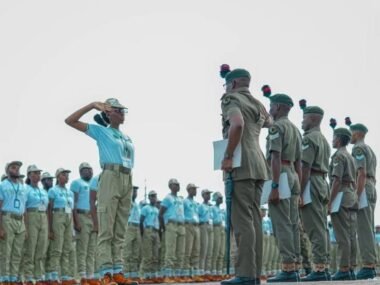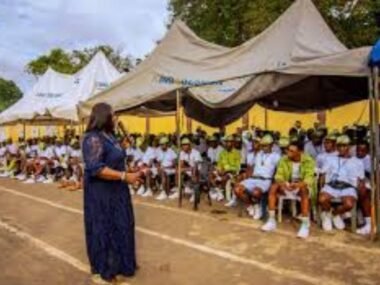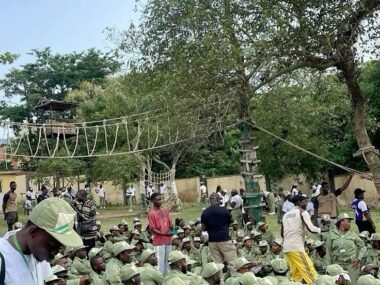
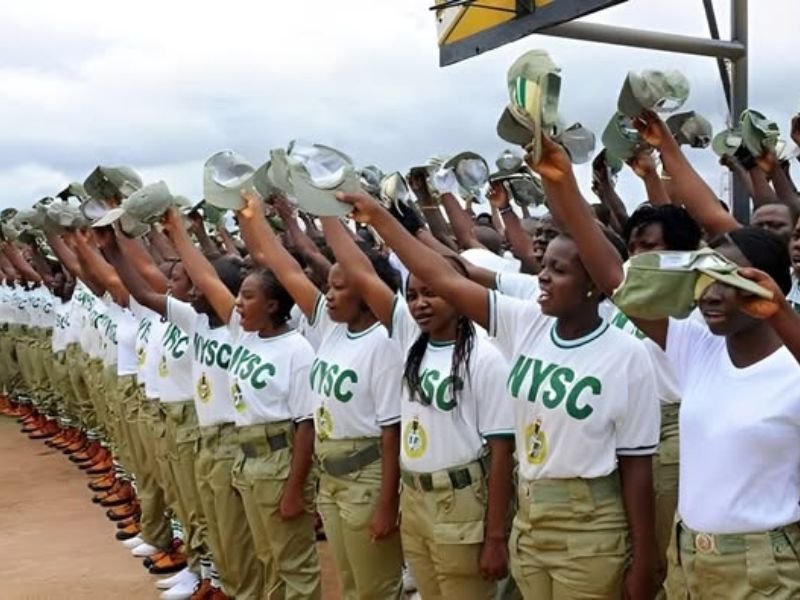
Working in Cross River State as a National Youth Service Corps (NYSC) member is an experience filled with cultural immersion, personal growth, and professional development. Corps members posted to Cross River often discover that the state is unique in its hospitality, diversity, and opportunities, making the service year more than just a compulsory assignment. The work experience is shaped by the community, the institutions of posting, and the natural environment that defines Cross River. For many, working in Cross River State, Nigeria, NYSC is both rewarding and challenging, creating memories that last a lifetime.
Overview of Cross River State
Cross River State is located in the South-South region of Nigeria, bordered by Cameroon to the east and several Nigerian states, including Akwa Ibom, Ebonyi, and Benue. Known as the “People’s Paradise,” the state is home to one of the most hospitable populations in Nigeria. Calabar, its capital city, is famous for the Calabar Carnival, while towns like Ikom, Ogoja, and Obudu are known for their agricultural richness and cultural heritage.
The state boasts rainforests, waterfalls, and the famous Obudu Mountain Resort. For corps members working here, the geographical and cultural richness adds extra value to the service year.
The NYSC Posting Process in Cross River State
Corps members posted to Cross River are usually distributed across ministries, schools, health institutions, and private organizations. The posting system ensures that both rural and urban areas benefit from the skills of corps members.
-
Urban postings often include Calabar and Ugep, where corps members may work in government ministries, private companies, or large schools.
-
Semi-urban postings include towns like Ikom, Ogoja, and Akamkpa, offering opportunities to engage with close-knit communities.
-
Rural postings immerse corps members in smaller communities, often requiring resilience, but also offering authentic cultural experiences.
Working in any of these areas brings unique lessons and challenges that shape corps members’ understanding of the Nigerian workplace.
Working Conditions in Urban Areas
In cities like Calabar, corps members often find themselves in better working environments. Government offices are relatively organized, private schools and organizations offer structured schedules, and corps members enjoy access to amenities like electricity, transportation, and internet connectivity.
Corps members posted in these areas often experience:
-
More exposure to networking opportunities.
-
Access to career growth in NGOs, private firms, or government institutions.
-
A balanced lifestyle between work and leisure.
However, urban postings are often more competitive and may come with higher living costs.
Working Conditions in Rural Areas
In contrast, rural postings present corps members with simpler working environments. Many are placed in schools where they teach core subjects such as English, Mathematics, or Social Studies. Resources may be limited, requiring creativity and improvisation.
Challenges of rural postings include:
-
Limited electricity supply and internet connectivity.
-
Few health facilities or amenities.
-
Modest accommodation provided by host communities.
Despite these, rural postings often provide stronger community bonds. Corps members become role models, and their contributions are deeply appreciated.
Professional Development Opportunities
Working in Cross River State provides corps members with opportunities to develop skills that go beyond academics.
-
Teaching skills: Many corps members teach in secondary schools, improving their communication and leadership abilities.
-
Administrative skills: Corps members posted to ministries or offices learn documentation, reporting, and management skills.
-
Healthcare experience: Medical and health-related corps members contribute to rural clinics and public health initiatives.
-
Entrepreneurial skills: Exposure to small business environments in both rural and urban areas helps corps members understand trade and innovation.
These experiences help corps members build resilience and adaptability—qualities that become invaluable in future careers.
Challenges Corps Members Face
Like every other state, working in Cross River, NYSC comes with challenges. Some of the most common include:
-
Transportation issues in rural areas, especially problematic during the rainy season.
-
Cultural and language barriers, especially prevalent in remote areas where Efik, Ejagham, or other local dialects dominate.
-
Financial strain, since the monthly allowance may not fully cover living expenses.
-
Security concerns, though the state is generally safe, some border areas may have occasional challenges.
Despite these, corps members often adapt and find support systems within their host communities.
The Role of Culture in the Service Year
Cross River State is culturally rich. The Efik culture, popular festivals like the Calabar Carnival, and traditional cuisines such as Edikang Ikong soup or Afang soup, expose corps members to a vibrant way of life.
For corps members, cultural experiences include:
-
Participating in community festivals.
-
Learning local crafts, dances, and traditions.
-
Building friendships that transcend cultural differences.
This cultural immersion enriches the work experience and makes service in Cross River memorable.
The Impact of Community on Corps Members
Communities in Cross River often play an important role in supporting corps members. Landlords, traditional rulers, school authorities, and market women all contribute to making the environment hospitable.
Corps members often form strong bonds with locals, leading to:
-
Mentorship opportunities.
-
Invitations to social events and family gatherings.
-
Lasting friendships that continue even after the service year.
This sense of belonging motivates corps members to perform well in their duties.
Accommodation and Welfare
Accommodation varies depending on the posting location. In urban areas, some corps members rent apartments or stay in government-provided lodges. In rural areas, communities may provide modest housing, sometimes shared with other corps members.
Welfare depends on:
-
Availability of basic amenities like water and electricity.
-
Additional stipends or incentives from employers.
-
The corps members’ ability to adapt and budget wisely.
Though conditions may not always be luxurious, they provide learning experiences that teach endurance and resourcefulness.
Life Outside Work
Life as a corps member in Cross River State is not only about work. Many corps members participate in Community Development Service (CDS) groups, where they engage in projects such as health campaigns, environmental sanitation, or skill acquisition training.
Social life also thrives:
-
Visiting Obudu Mountain Resort or Agbokim Waterfalls.
-
Exploring local markets and tasting traditional dishes.
-
Forming friendships with fellow corps members and locals.
These experiences balance work with leisure, making the service year enjoyable.
Lessons Learned from Working in Cross River, NYSC
By the end of the service year, corps members often reflect on the lessons learned. Common takeaways include:
-
Adaptability in challenging work conditions.
-
Respect for cultural diversity.
-
Appreciation of community support.
-
Growth in leadership, teaching, or professional skills.
These lessons stay with corps members for life, shaping their personal and professional journeys.
Conclusion: Working In Cross River State Nigeria NYSC
Working in Cross River State, Nigeria, NYSC is both an opportunity and an adventure. From the professional growth gained through teaching or administrative tasks to the cultural richness of the Efik and other ethnic groups, corps members leave the state transformed. While challenges exist, the rewards of resilience, adaptability, and lifelong memories outweigh the difficulties.
For anyone posted to Cross River, the service year is not just about fulfilling a national requirement—it is about discovering new strengths, building lasting relationships, and embracing a culture that welcomes corps members with open arms.