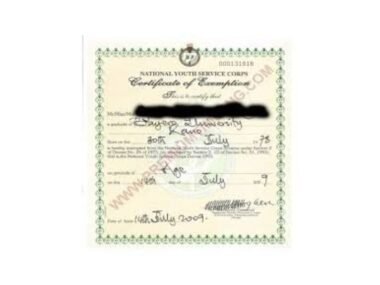

A common question among prospective corps members is: When Last Did NCE Holder Join NYSC? The straightforward answer is that NCE holders are still eligible to participate in the NYSC, provided they meet the eligibility criteria, including being under 30 years of age at the time of graduation.
This article looks into the history, eligibility, and evolving role of NCE holders in the NYSC, offering a comprehensive guide for students, educators, and policymakers. We’ll explore the program’s structure, challenges faced by NCE holders, and strategies to optimize their NYSC experience, ensuring this piece is both informative and optimized for search engines.
Understanding the NYSC and Its Eligibility Criteria
The NYSC, established on May 22, 1973, under Decree No. 24, was created to promote national unity, encourage cultural integration, and address manpower shortages in Nigeria’s rural areas following the Nigerian Civil War. The program mandates a one-year service for graduates of universities, polytechnics, and colleges of education, including those with the Nigeria Certificate in Education (NCE). According to the NYSC Act, participation is compulsory for Nigerian graduates under 30 years old at the time of graduation, with exemptions granted for those with disabilities, prior military or paramilitary service exceeding one year, or those over 30 at graduation.
NCE holders, as graduates of colleges of education, have historically been part of the NYSC framework. Unlike part-time graduates (e.g., those from Continuing Education Programs), NCE holders from accredited institutions are eligible for mobilization. The NYSC portal requires locally trained graduates, including NCE holders, to provide a valid JAMB matriculation number and have their names listed on the Senate/Academic Board-approved result lists submitted by their institutions. As of 2025, there has been no official policy change excluding NCE holders from the program, meaning they continue to participate actively in the NYSC’s annual mobilization cycles.
Historical Context: NCE Holders in the NYSC
Since its inception, the NYSC has included NCE holders as part of its mandate to deploy skilled graduates to underserved areas, particularly in education. In the 1970s and 1980s, NCE holders were instrumental in addressing teacher shortages in rural schools, contributing to the program’s goal of equitable distribution of skilled labor. Over the years, the inclusion of NCE holders has remained consistent, with colleges of education submitting their graduates’ lists for mobilization alongside university and polytechnic graduates.
There is no documented instance of NCE holders being excluded from the NYSC, though challenges such as delayed mobilization, verification issues, or administrative bottlenecks have occasionally affected their participation. For instance, in the early 2000s, some colleges of education faced delays in submitting graduate lists, leading to perceptions that NCE holders were temporarily sidelined. However, these were logistical issues rather than policy changes. As of the 2025 Batch B Stream II orientation course, NCE holders remain active participants, with no evidence suggesting a halt in their involvement.
The NYSC Process for NCE Holders
To understand the participation of NCE holders, it’s essential to outline the NYSC process, which comprises four main segments: orientation, primary assignment, community development service (CDS), and winding-up/passing out.
1. Orientation Course
The NYSC year begins with a three-week orientation camp, mandatory for all eligible graduates, including NCE holders. This phase involves physical training, cultural education, and skill acquisition programs like SAED (Skill Acquisition and Entrepreneurship Development). NCE holders, often destined for teaching roles, receive professional lectures tailored to their field during this period.
2. Primary Assignment
After orientation, NCE holders are typically posted to schools, especially in rural areas, to serve as teachers. This aligns with their training in pedagogy and subject-specific knowledge. However, skill mismatches—such as an NCE holder in mathematics teaching English—can occur, posing challenges. Corps members can request redeployment after three months or upskill through SAED to adapt to their roles.
3. Community Development Service (CDS)
CDS allows NCE holders to contribute to their host communities through projects like adult literacy campaigns or infrastructure development. This phase is particularly impactful for NCE holders, as their educational expertise enables them to lead initiatives like extra-mural classes or HIV sensitization programs.
4. Winding-Up and Passing Out
At the end of the service year, NCE holders, like other corps members, submit clearance letters from their Places of Primary Assignment (PPAs) and participate in a passing-out ceremony, earning a Certificate of National Service. This certificate is crucial for securing employment in Nigeria’s public and private sectors.
Challenges Faced by NCE Holders in the NYSC
While NCE holders continue to participate in the NYSC, they encounter several hurdles that can impact their service experience. Addressing these challenges is key to maximizing the benefits of the program.
1. Skill Misalignment
A common issue is the mismatch between an NCE holder’s training and their assigned role. For example, an NCE holder trained in early childhood education might be posted to teach senior secondary biology. To mitigate this, corps members can:
-
Request Redeployment: After three months, submit a formal redeployment request to the NYSC secretariat, citing professional misalignment.
-
Engage in SAED: Participate in SAED programs to acquire skills relevant to their assigned roles or explore entrepreneurial opportunities.
2. Inadequate Facilities at PPAs
Rural PPAs often lack basic infrastructure, such as teaching aids or reliable electricity. NCE holders can:
-
Budget for Supplies: Allocate ₦2,000–5,000 monthly for essential materials like markers or notebooks.
-
Seek PPA Support: Collaborate with school management to secure resources or advocate for community contributions.
3. Security Concerns
Insecurity in certain regions can deter NCE holders from serving in their assigned PPAs. Corps members facing safety risks can:
-
Apply for Redeployment: Submit a request with evidence, such as news reports or security advisories, to relocate to safer areas.
4. Low Allowances
The NYSC allowance (approximately ₦33,000 monthly as of 2025) is often insufficient, especially in urban areas. NCE holders can:
-
Pursue PPAs with Bonuses: Seek schools offering additional stipends, common in private institutions.
-
Engage in Approved Side Hustles: Participate in NYSC-approved ventures, such as tutoring or SAED entrepreneurial projects.
5. PPA Rejection
Some NCE holders face rejection by their assigned PPAs, often due to overstaffing or administrative issues. To address this:
-
Secure a Rejection Letter: Obtain an official letter from the PPA.
-
Reapply via Secretariat: Submit the letter to the NYSC secretariat for reassignment.
6. Health and Well-Being
The orientation camp’s rigorous activities can lead to health issues, while loneliness in remote postings can affect mental health. NCE holders should:
-
Stay Hydrated: Carry water bottles during camp activities to prevent dehydration.
-
Engage in CDS and Social Events: Participate in community projects and social activities to combat isolation and build networks.
Optimizing the NYSC Experience for NCE Holders
To make the most of their NYSC year, NCE holders can adopt the following strategies:
1. Prepare for Mobilization
-
Verify Credentials: Ensure your name appears on your institution’s Senate/Academic Board Approved Result list and that your JAMB matriculation number is correct.
-
Register Early: Use a functional email and Nigerian phone number to complete the NYSC portal registration promptly to avoid delays.
-
Document Health Issues: If you have health challenges, upload medical reports from federal or state hospitals during registration for concessional deployment.
2. Maximize SAED Opportunities
The SAED program offers training in areas like agribusiness, ICT, and fashion design. NCE holders can use these skills to start side ventures or enhance their employability post-NYSC. For example, an NCE holder in English education could learn content creation to offer online tutoring services.
3. Network Strategically
The NYSC provides opportunities to connect with professionals and peers. NCE holders should:
-
Attend CDS meetings and NYSC-organized events to build relationships.
-
Join professional bodies like the Teachers Registration Council of Nigeria (TRCN) to enhance career prospects.
4. Document Achievements
Keep a record of CDS projects, teaching milestones, or SAED certifications. These can strengthen your CV and demonstrate initiative to future employers.
The Role of NCE Holders in NYSC’s Broader Objectives
NCE holders play a critical role in achieving the NYSC’s goals of national integration and manpower development. Their expertise in education makes them ideal candidates for addressing Nigeria’s literacy gap, particularly in rural areas. Projects like adult literacy campaigns and extra-mural classes align with the NYSC’s War Against Poverty (WAP) and Millennium Development Goals (MDG) initiatives. Moreover, their postings to diverse regions foster cultural exchange, helping to bridge ethnic and religious divides, a core objective of the NYSC since its inception.
Recent Trends and Future Outlook
As of 2025, the NYSC continues to evolve, with increased emphasis on digitalization and entrepreneurship. The SAEDconnect platform, launched to promote job opportunities, is particularly beneficial for NCE holders seeking to transition into entrepreneurial roles post-service.
However, calls for NYSC reform persist, with some advocating for its scrapping due to challenges like insecurity and unemployment post-service. For NCE holders, these debates underscore the need to maximize the program’s benefits while advocating for improved welfare and deployment policies.
Frequently Asked Questions (FAQs)
1. Are NCE Holders Still Eligible for NYSC in 2025?
Yes, NCE holders from accredited colleges of education are eligible for NYSC if they are under 30 years old at graduation and meet other registration requirements.
2. When Did NCE Holders Last Participate in NYSC?
NCE holders have consistently participated in the NYSC since its establishment in 1973, with no recorded exclusion. They remain active in the 2025 mobilization cycles.
3. What Happens if an NCE Holder Misses the Service Year?
If an NCE holder graduates before age 30 but skips the service year, they remain eligible as long as their graduation certificate is dated before they turn 30.
4. Can NCE Holders Request Redeployment?
Yes, NCE holders can request redeployment for reasons like skill mismatch, security concerns, or health issues, following NYSC guidelines.
5. How Can NCE Holders Prepare for NYSC?
Verify credentials, register early on the NYSC portal, and prepare for the orientation camp by staying physically fit and mentally ready.
Conclusion
NCE holders remain an integral part of the NYSC, contributing to Nigeria’s educational and developmental goals. As of 2025, they continue to participate fully, with no policy excluding them from the program. Despite challenges like skill mismatches, inadequate facilities, and low allowances, NCE holders can optimize their NYSC experience through strategic preparation, active engagement in SAED, and proactive problem-solving. By leveraging the program’s opportunities, NCE holders can enhance their skills, build networks, and make meaningful contributions to national unity. For the latest updates on NYSC mobilization, visit the official NYSC website at www.nysc.gov.ng.